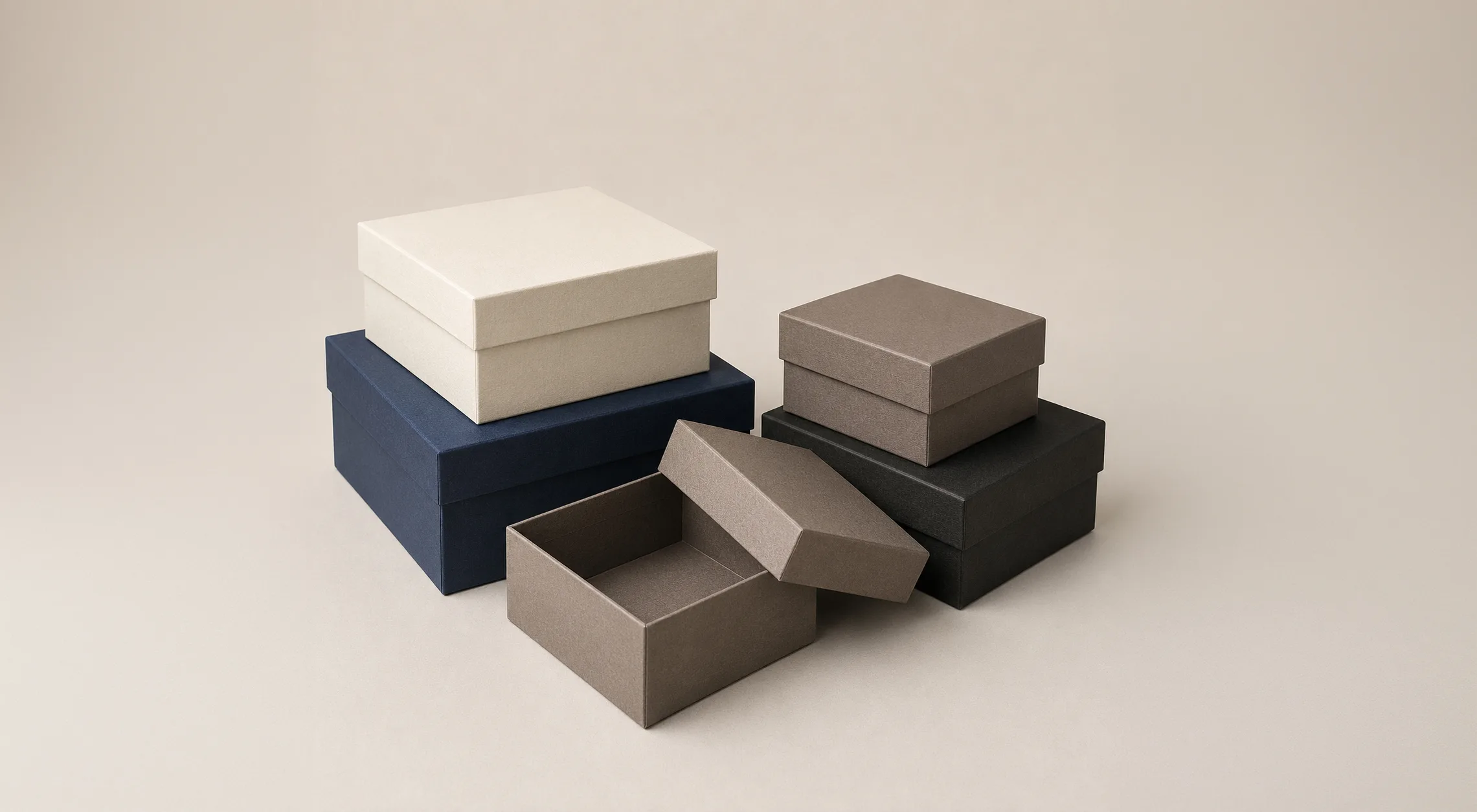
Lid-and-Base Rigid Box
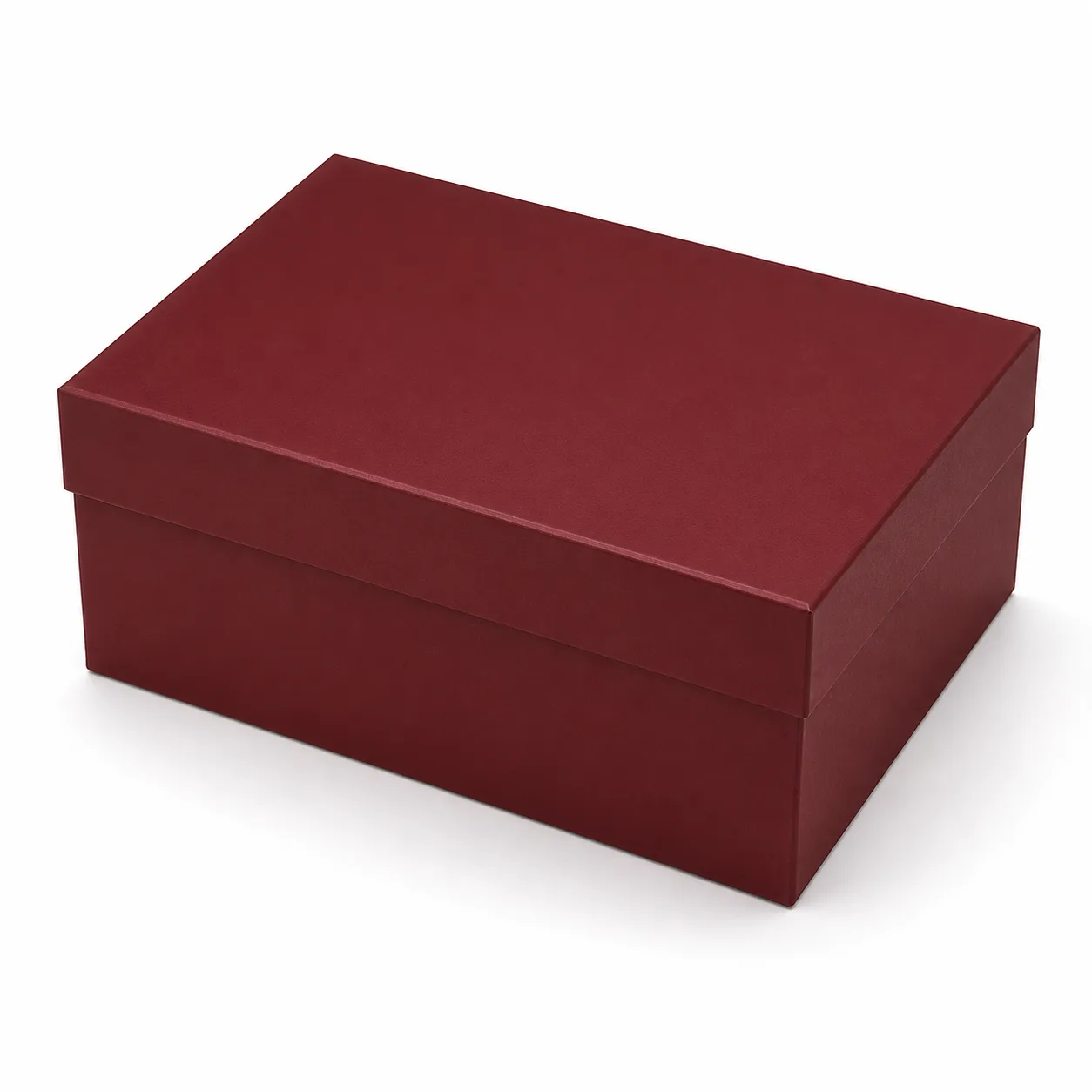
Lid-and-base and telescoping rigid boxes with a stable, self-holding structure. A natural fit for cosmetics, skincare, and premium gifting. 1.5–2.5 mm greyboard wrapped in 4-colour printed paper.
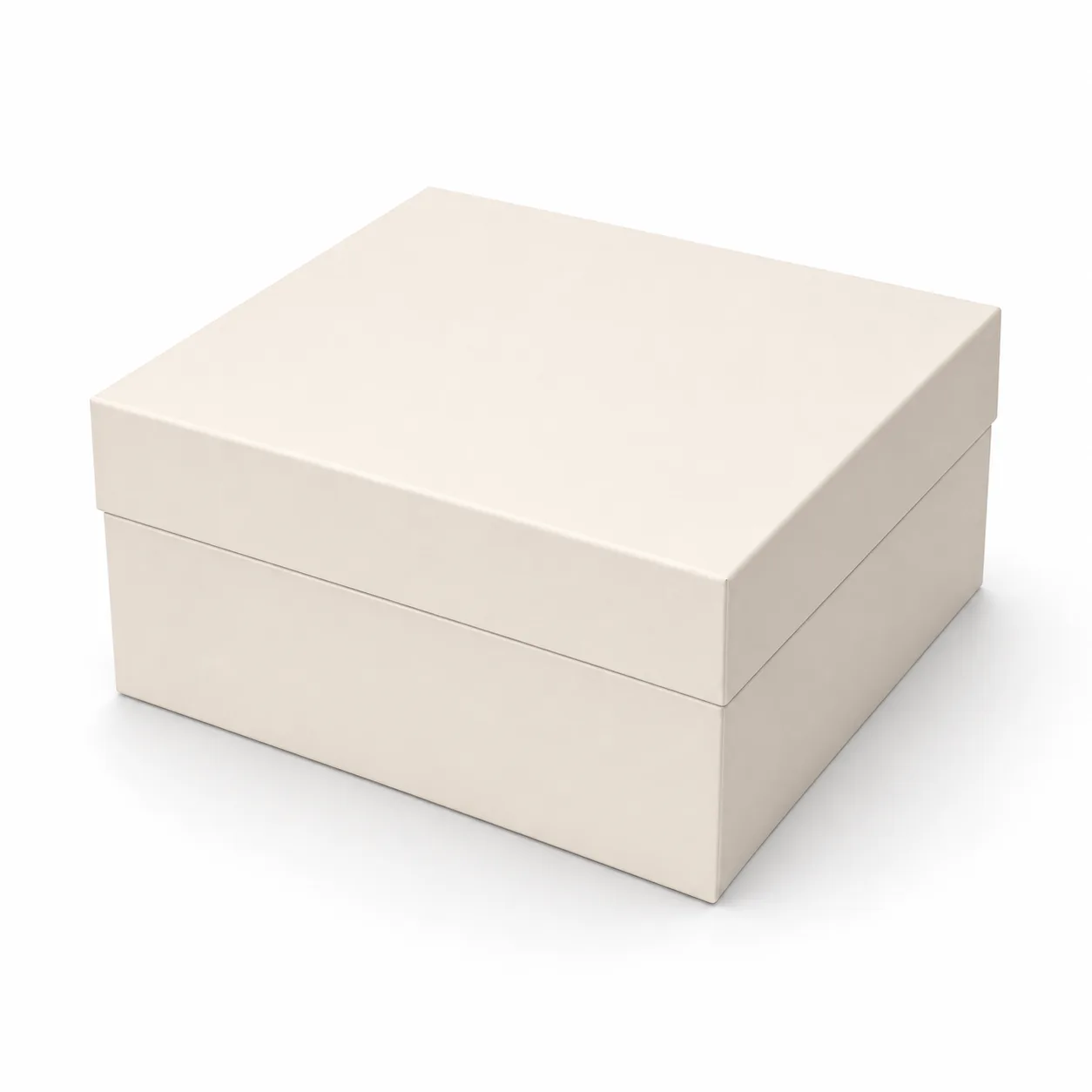
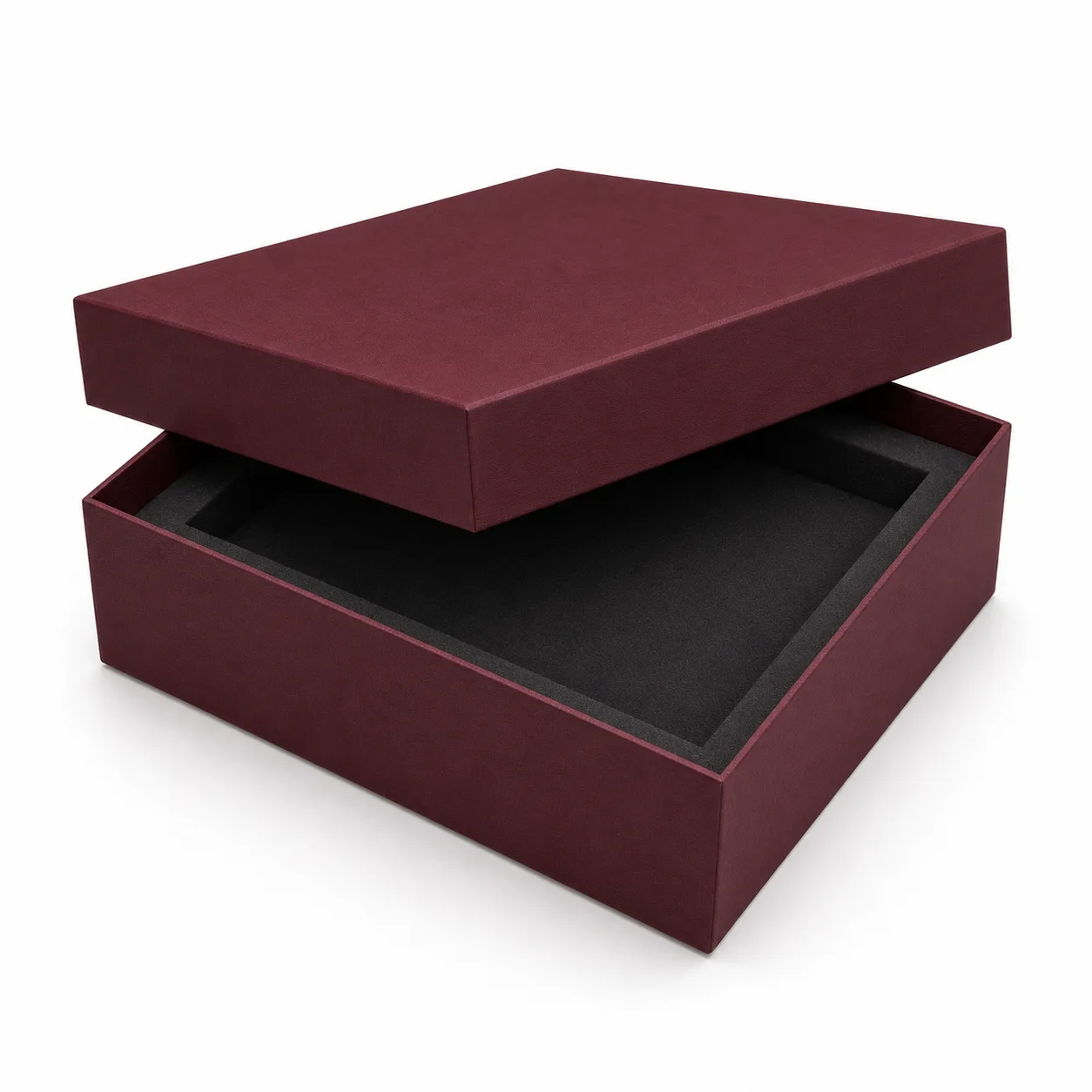
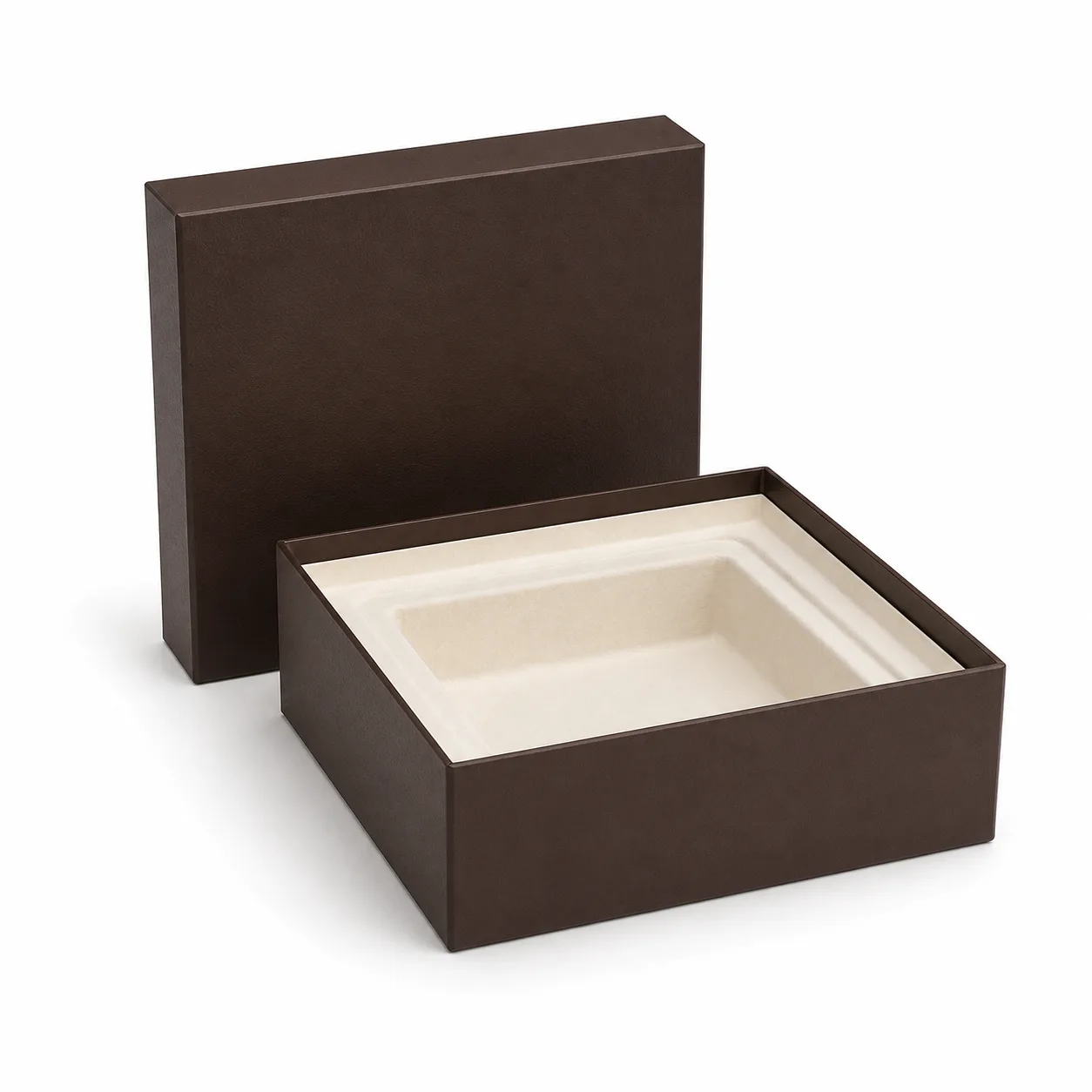
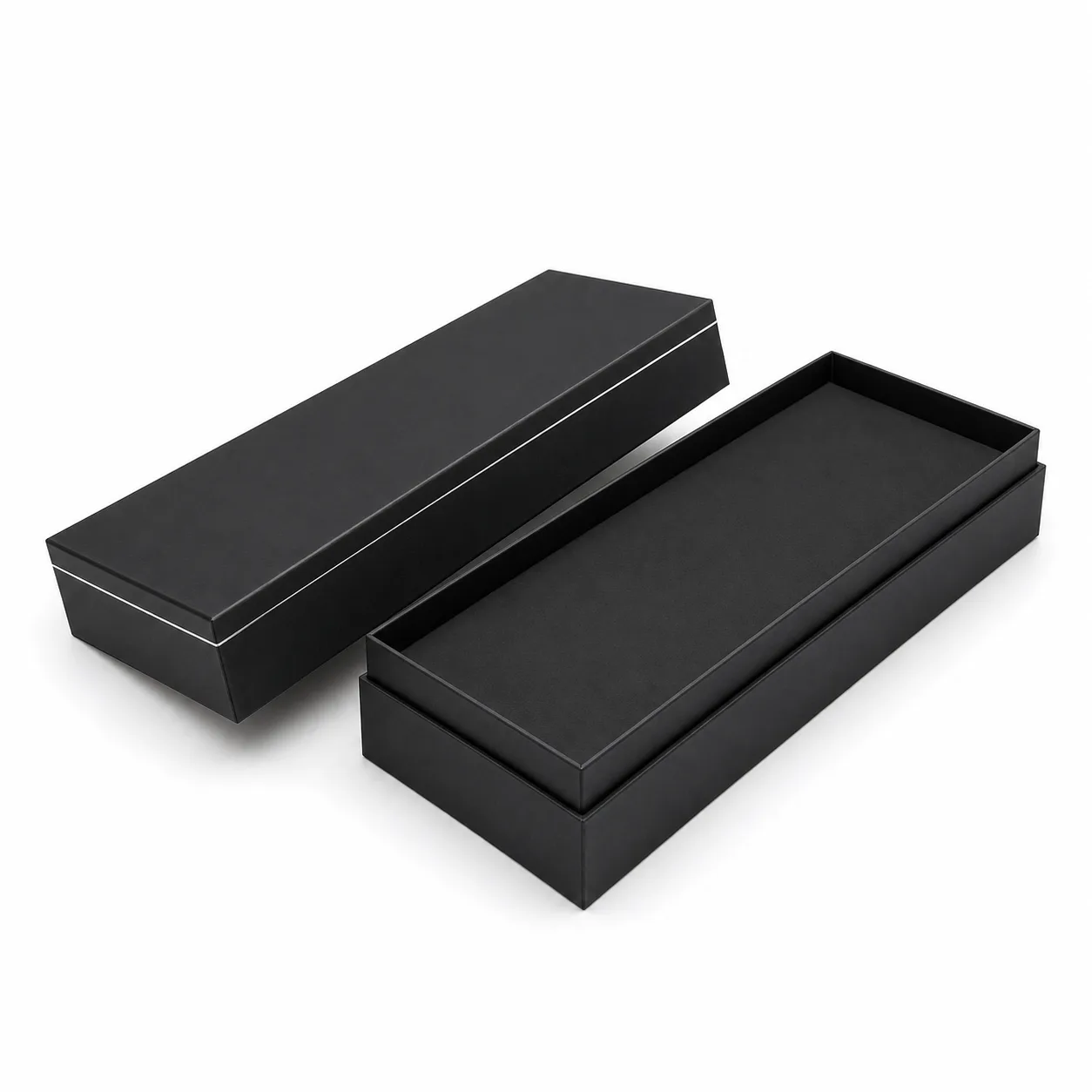
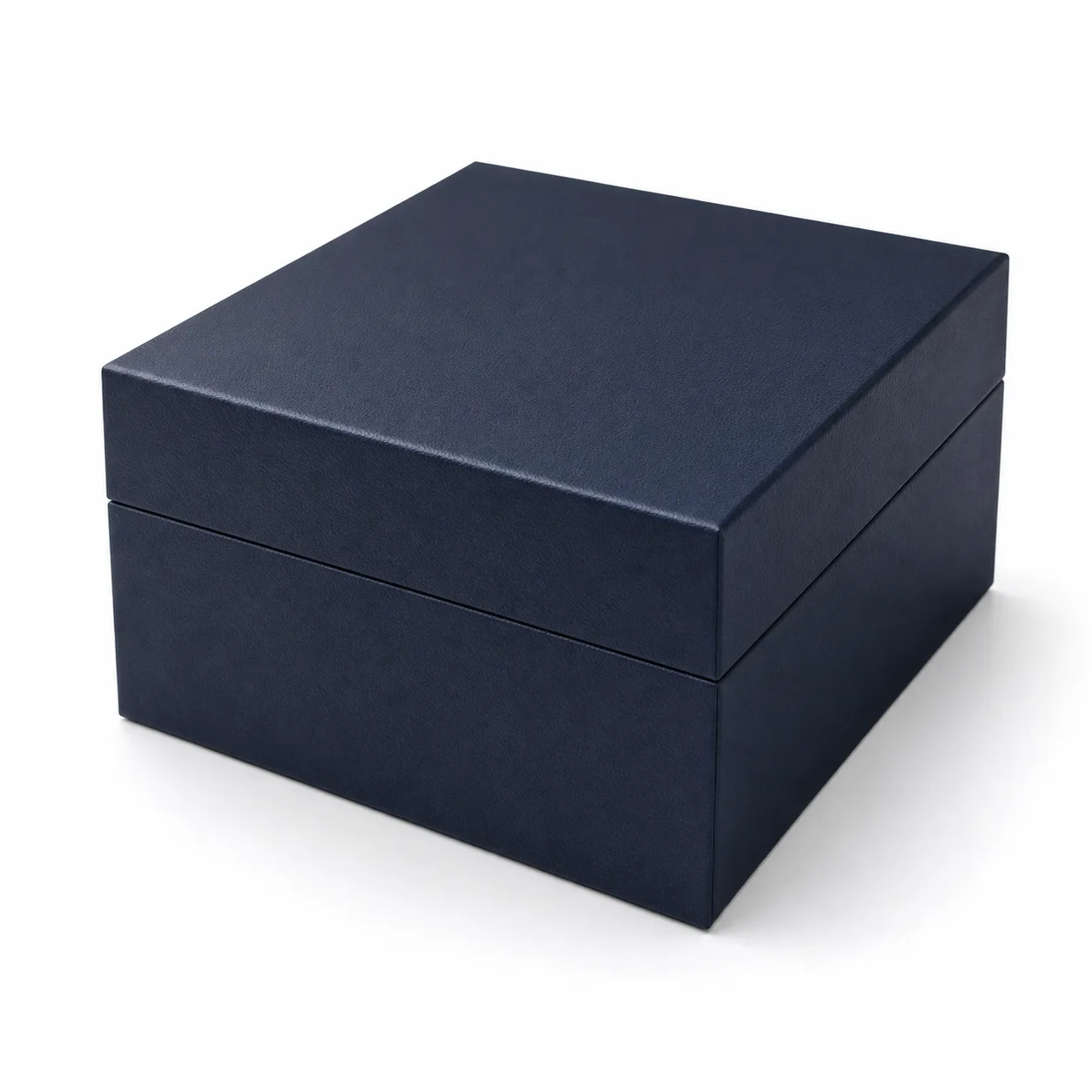
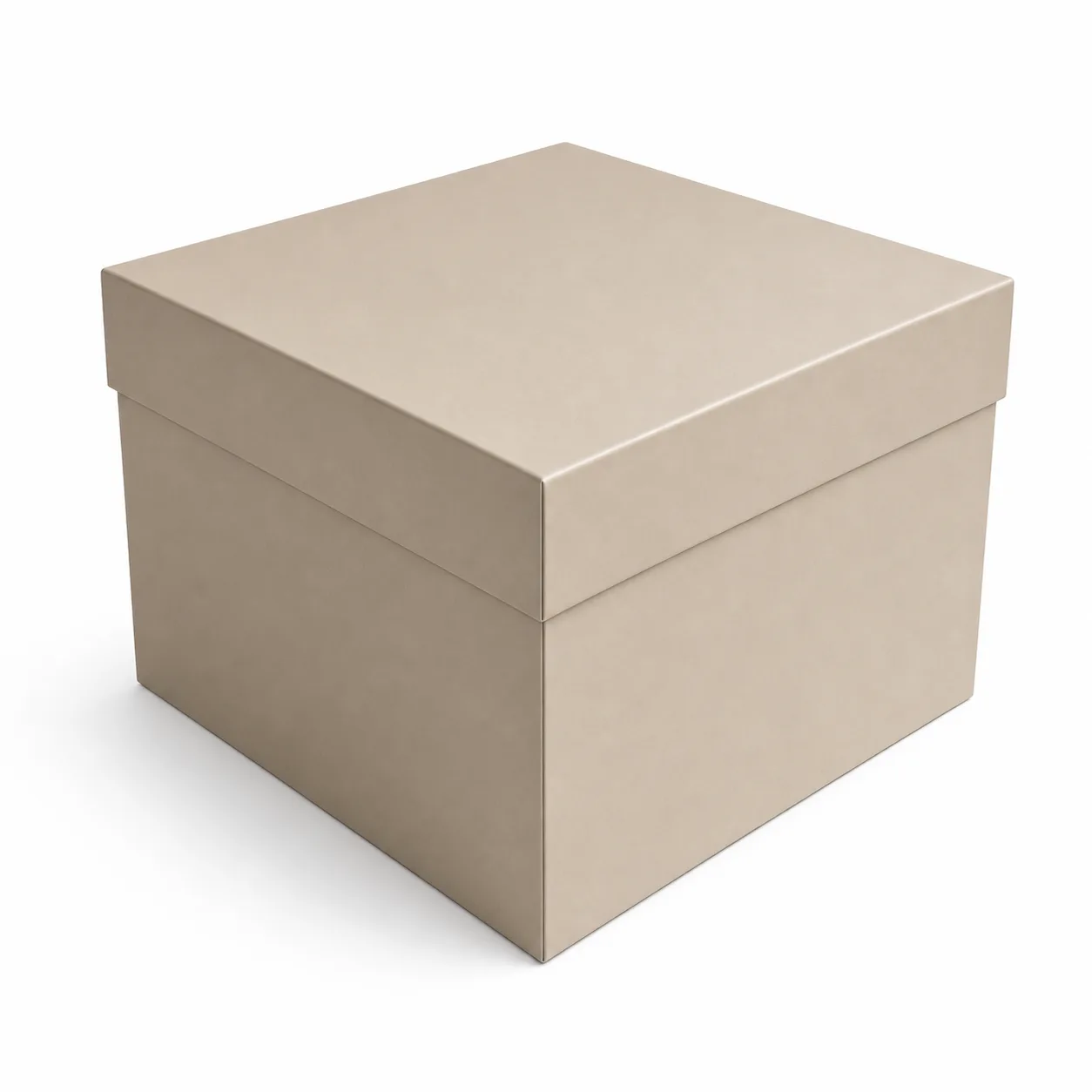
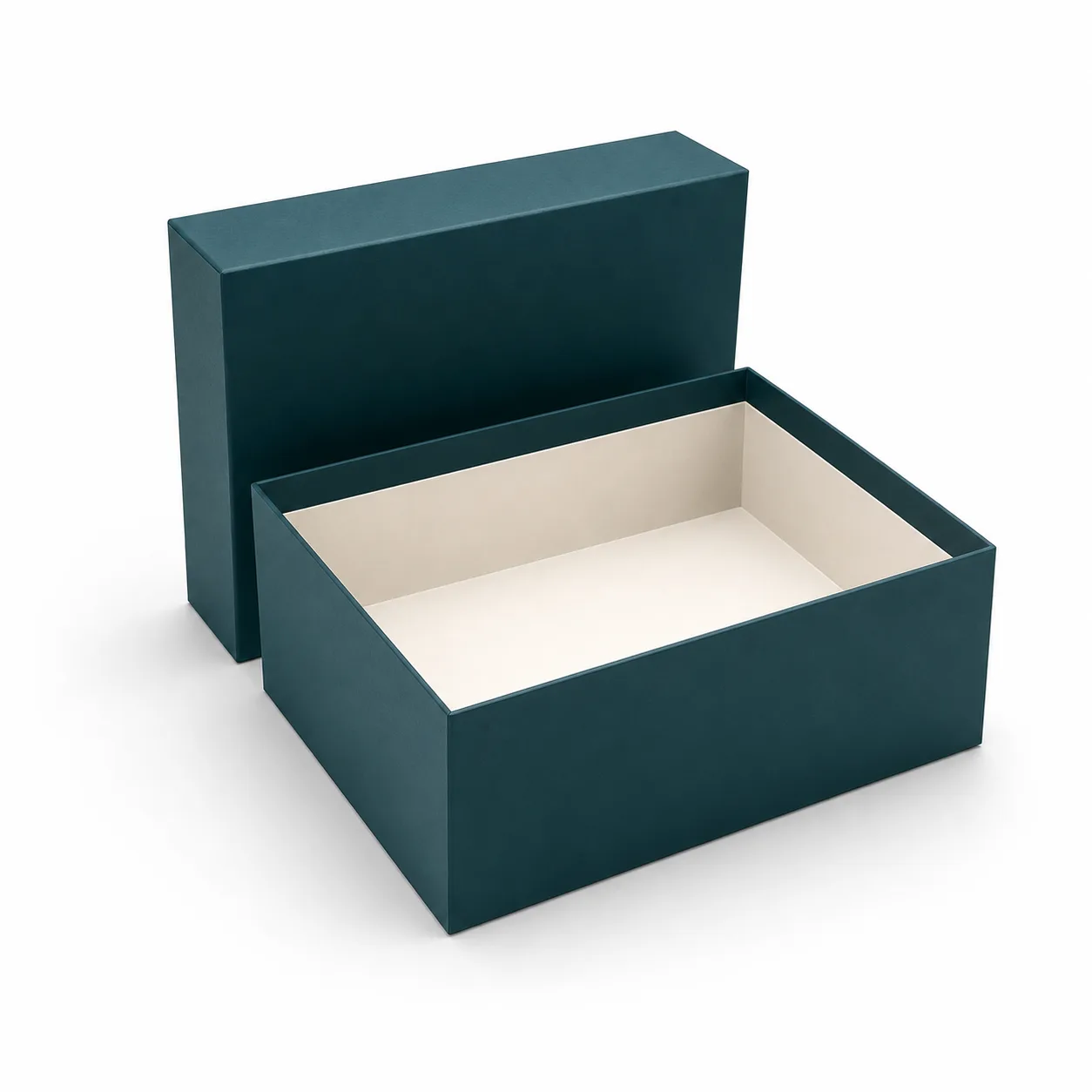
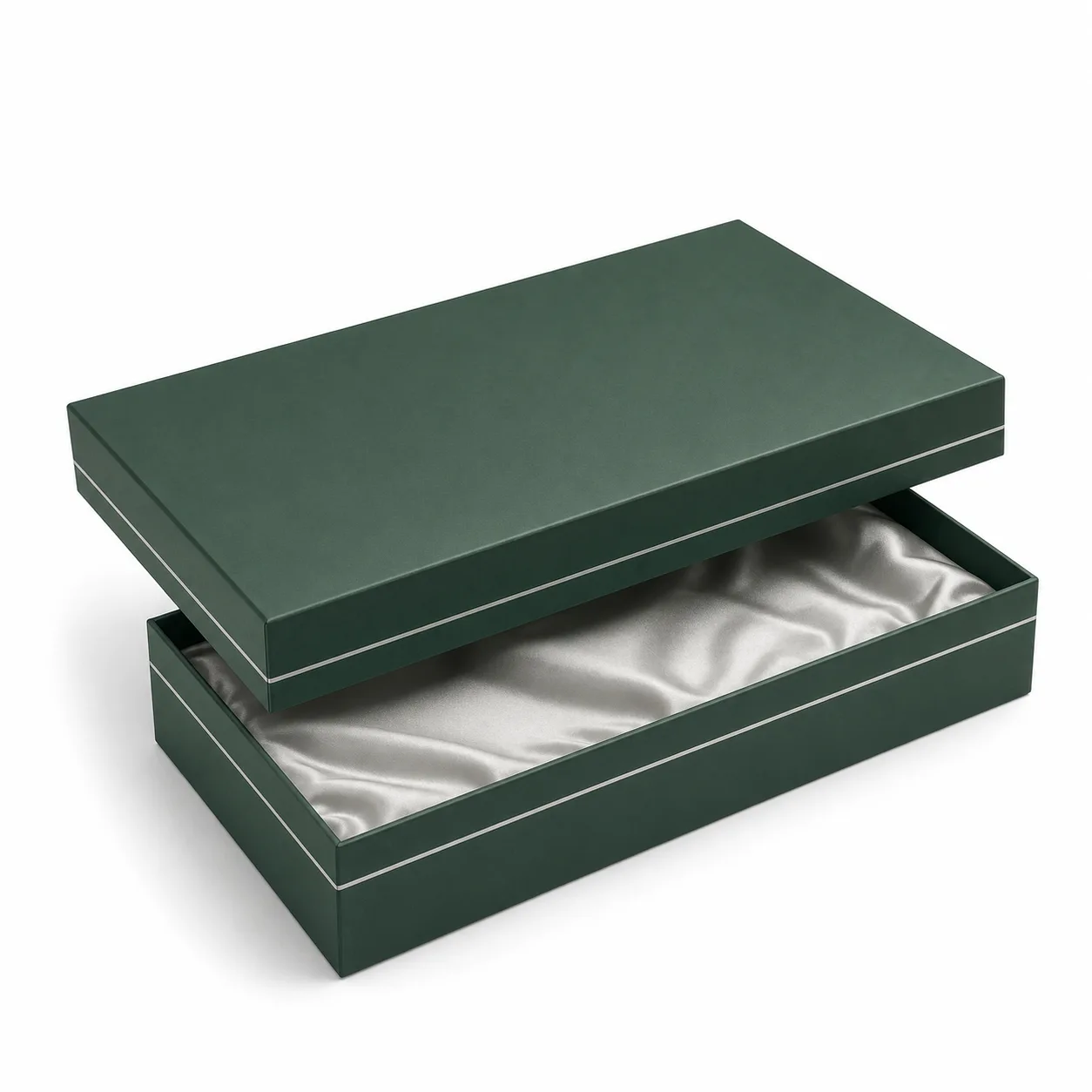
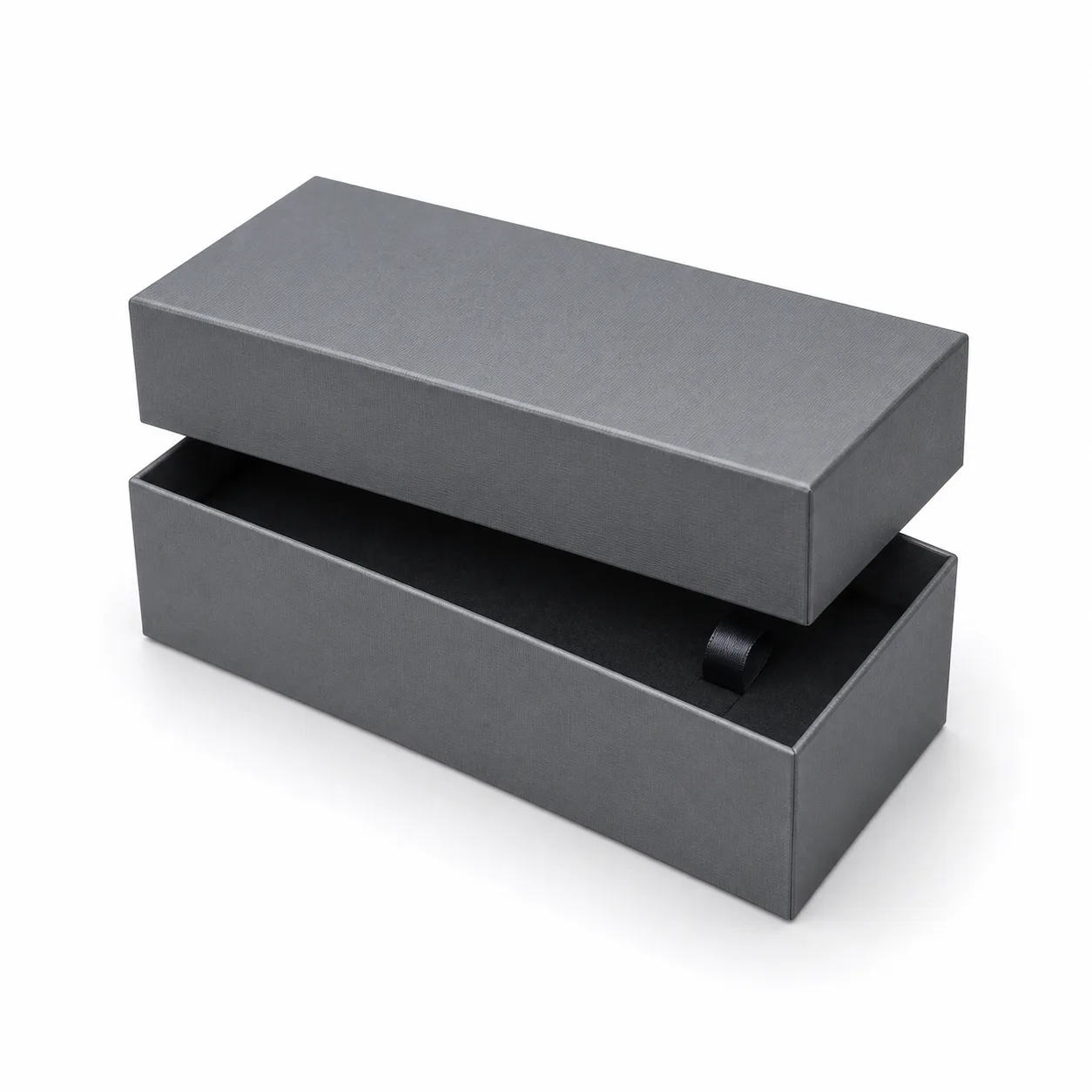
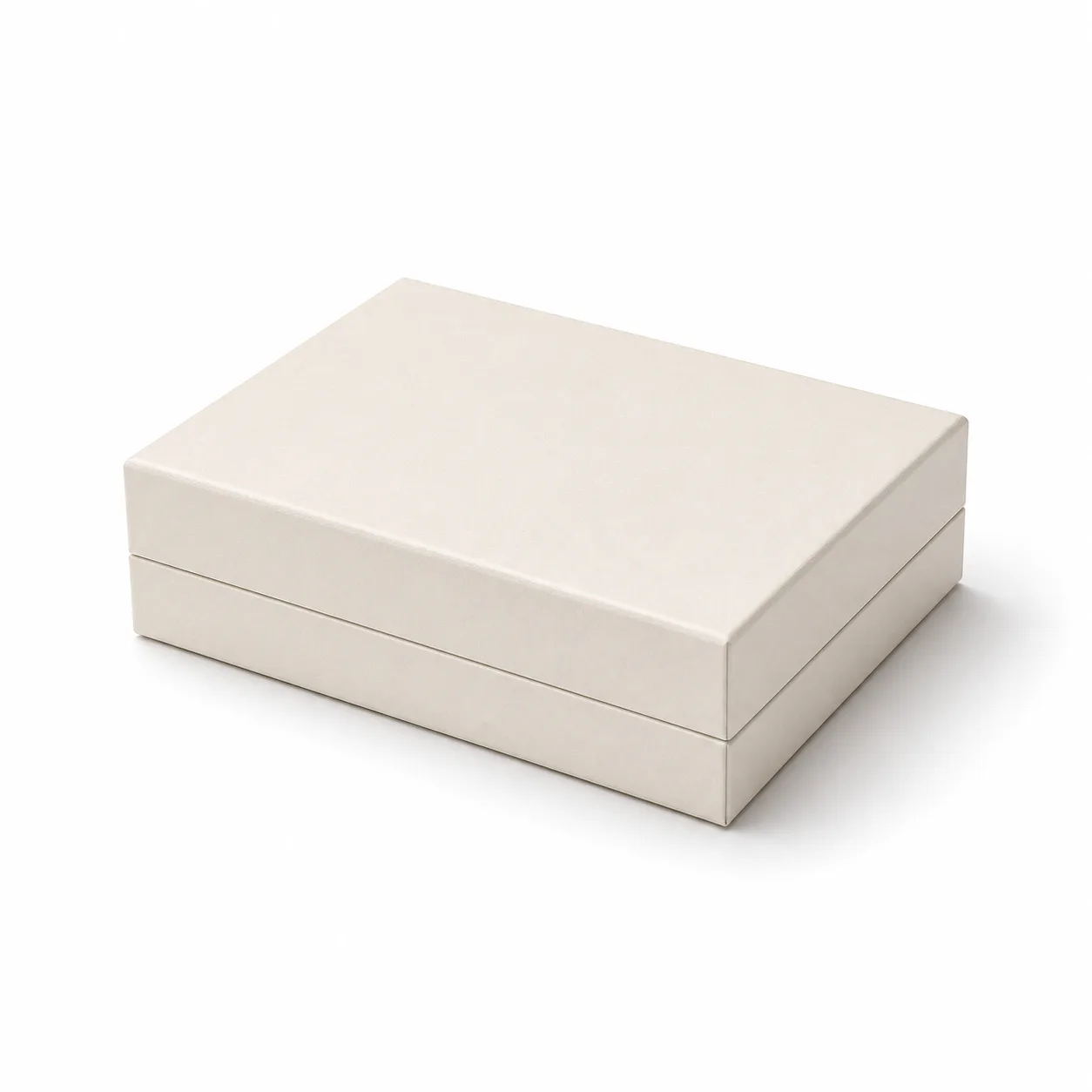
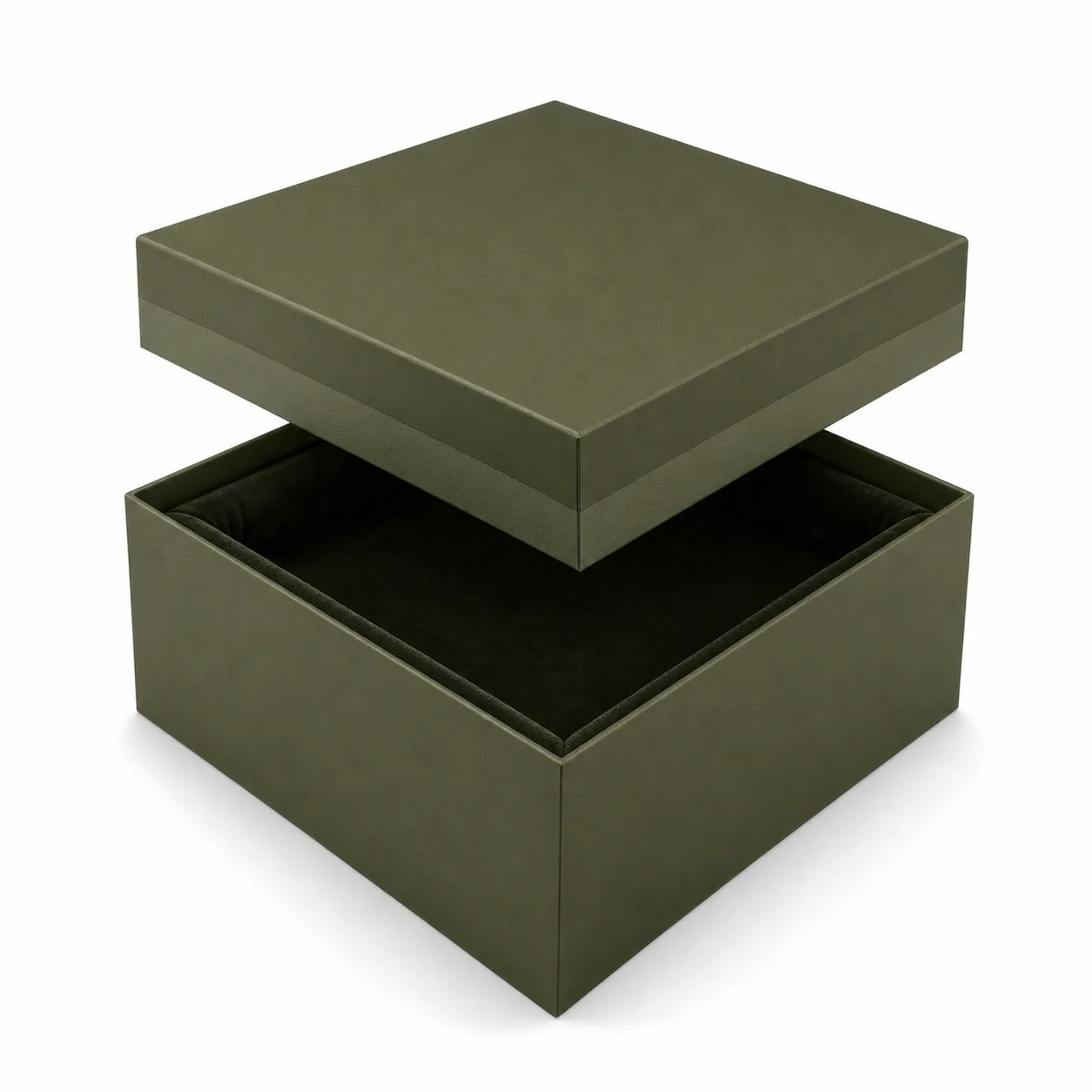
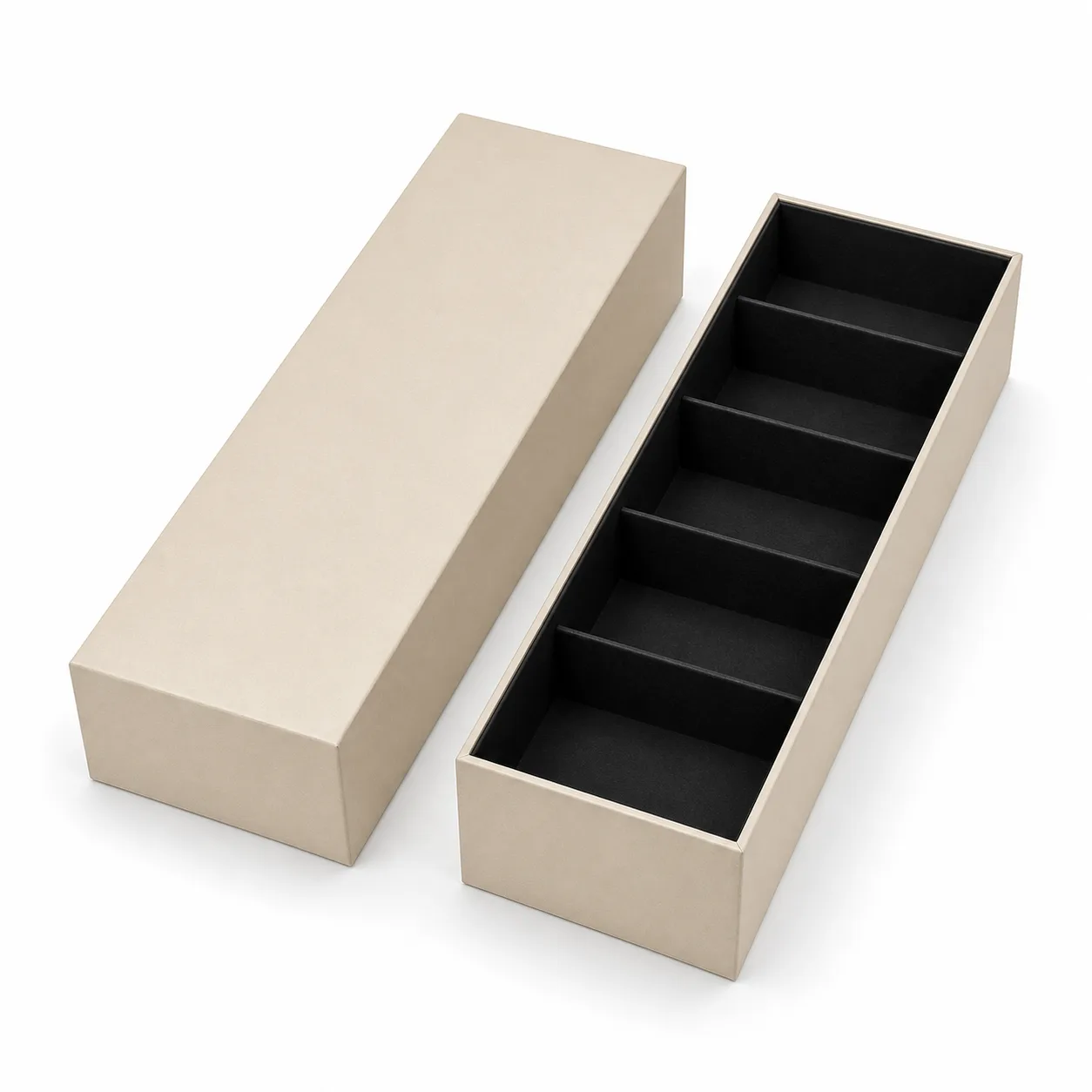
What a lid-and-base box is, and how the variants differ
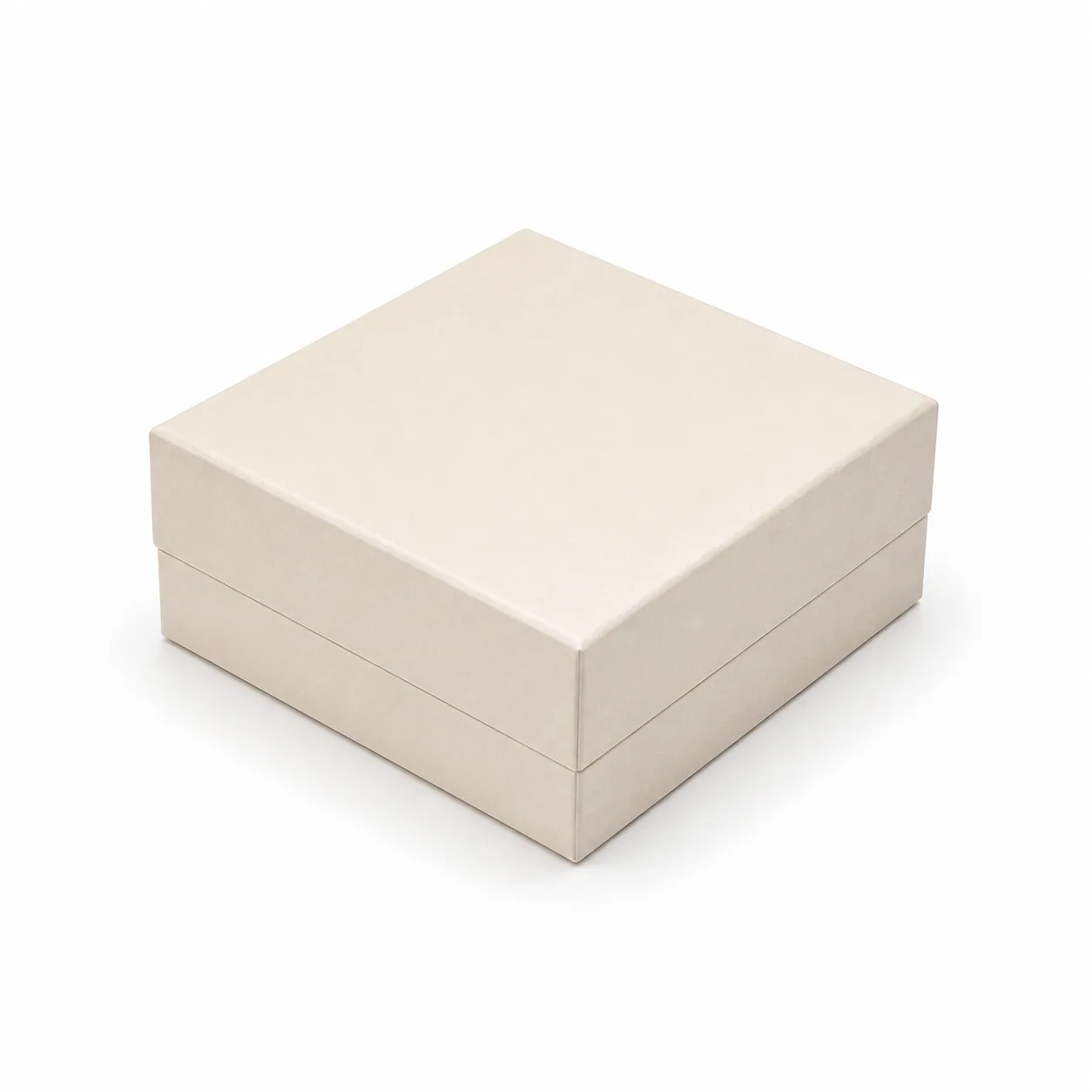
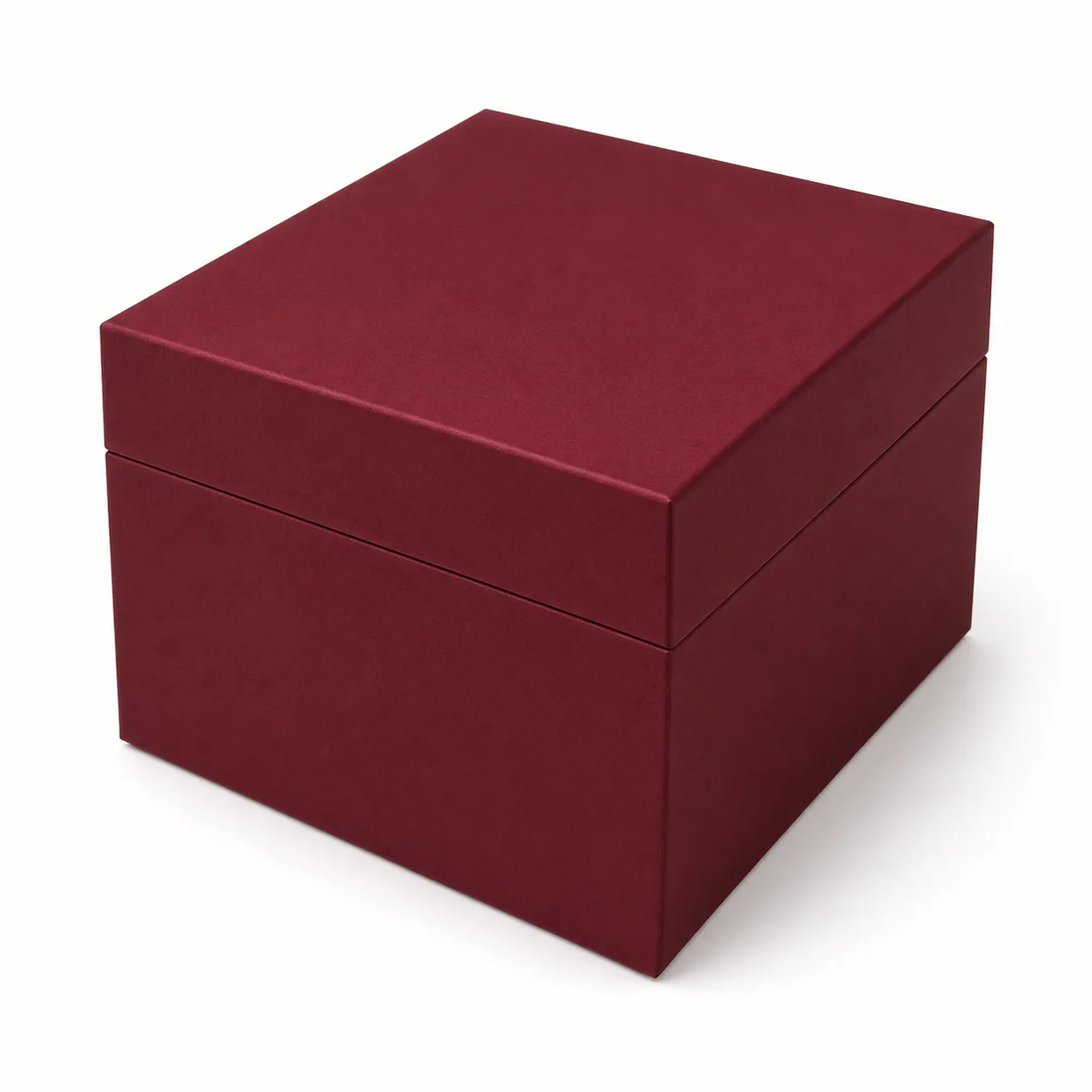
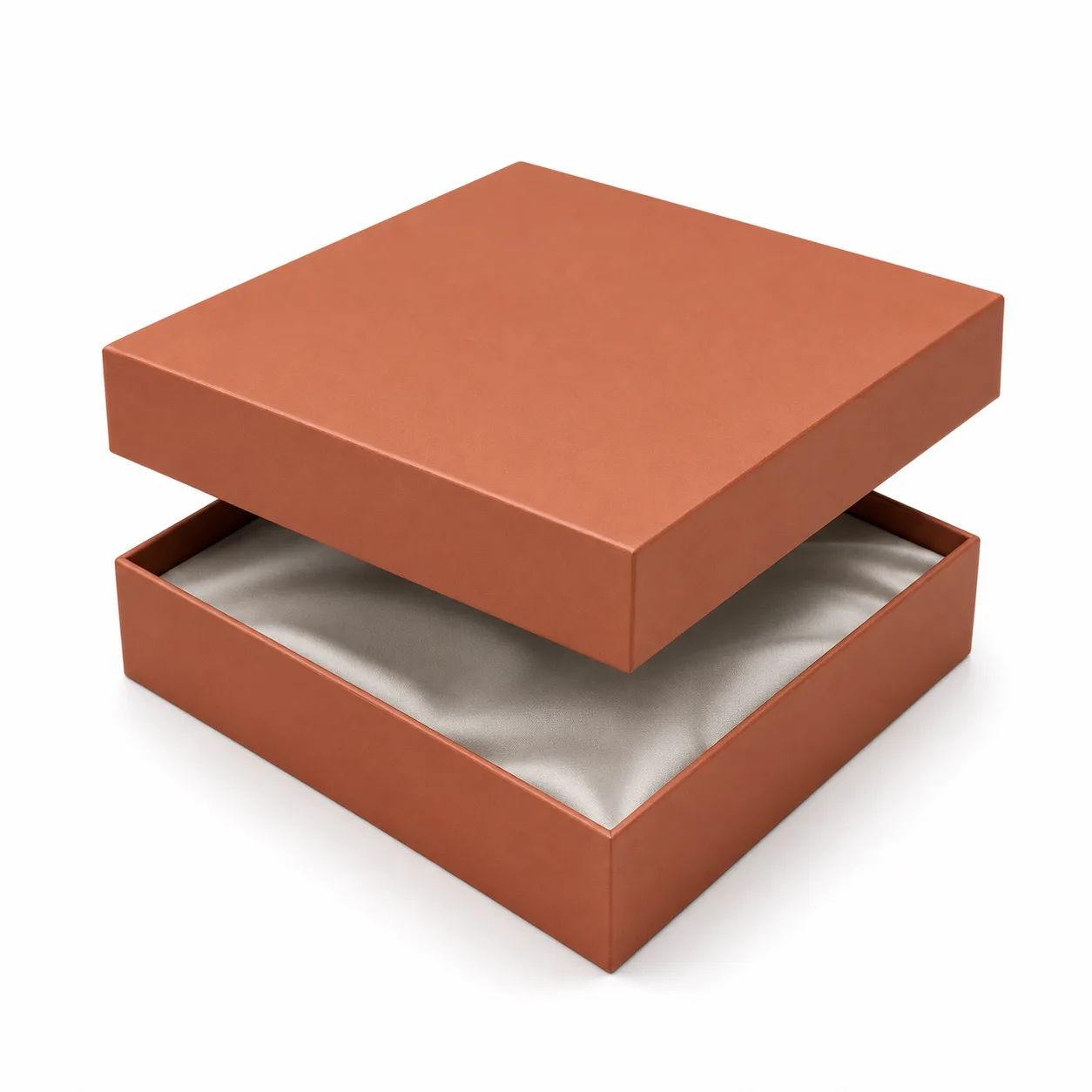
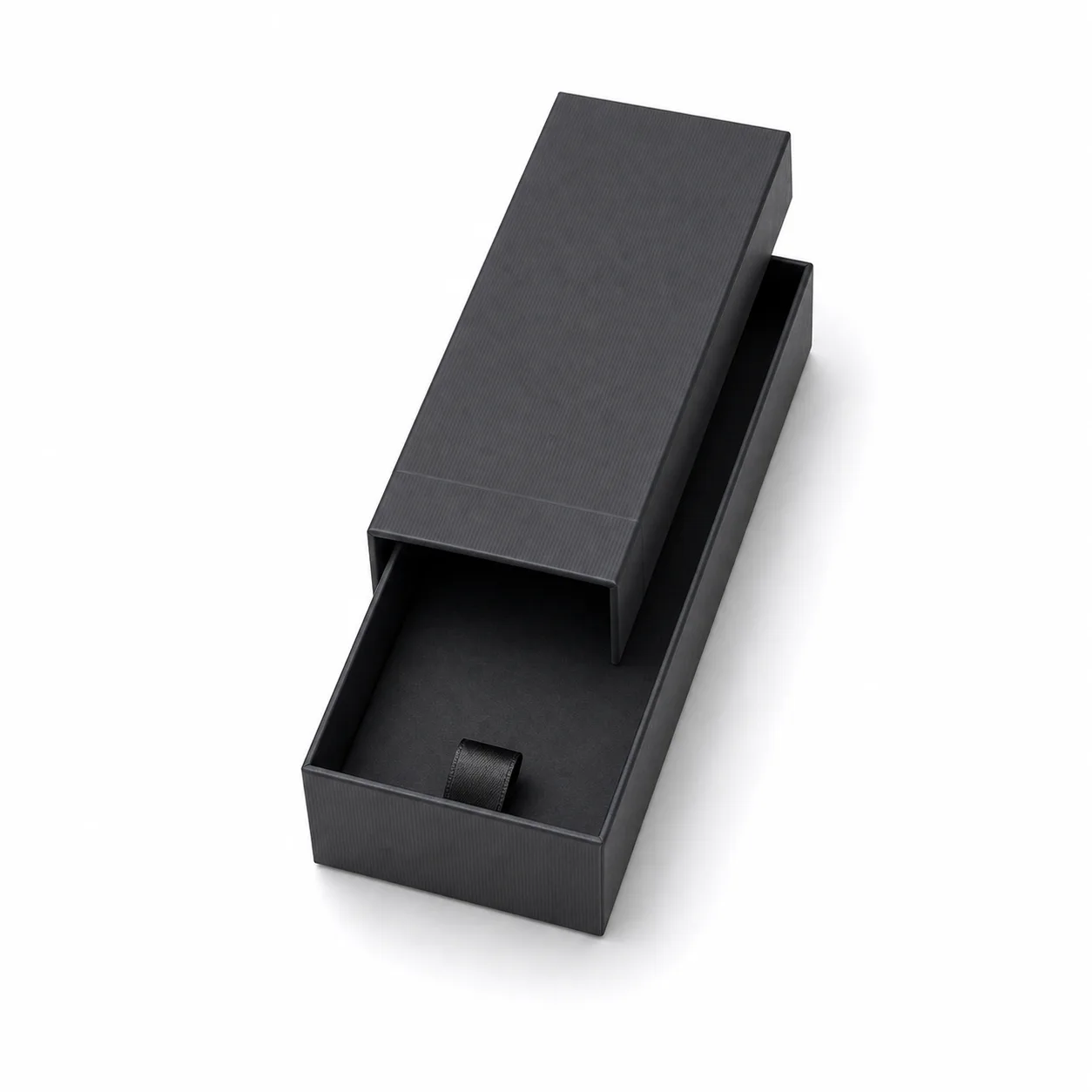
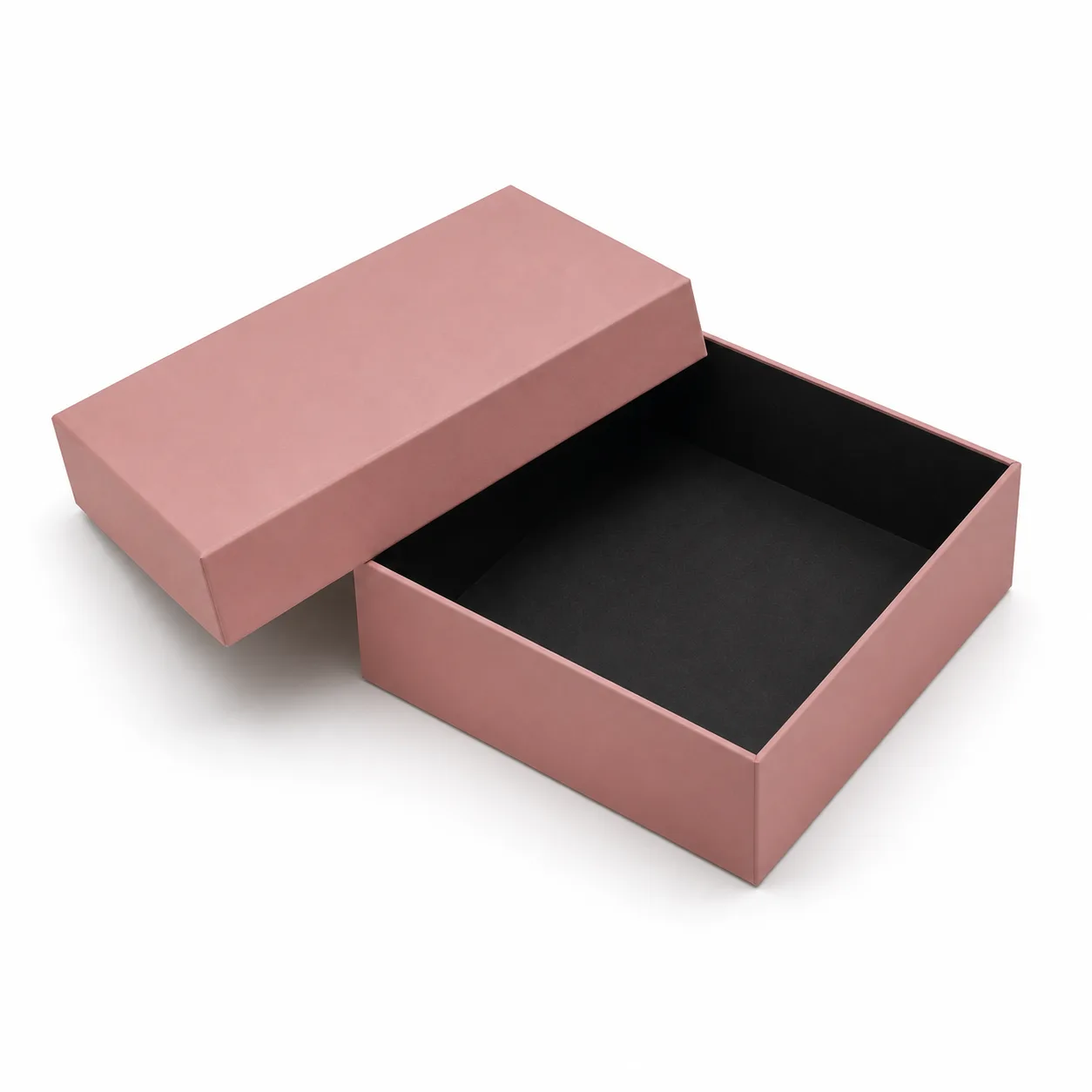
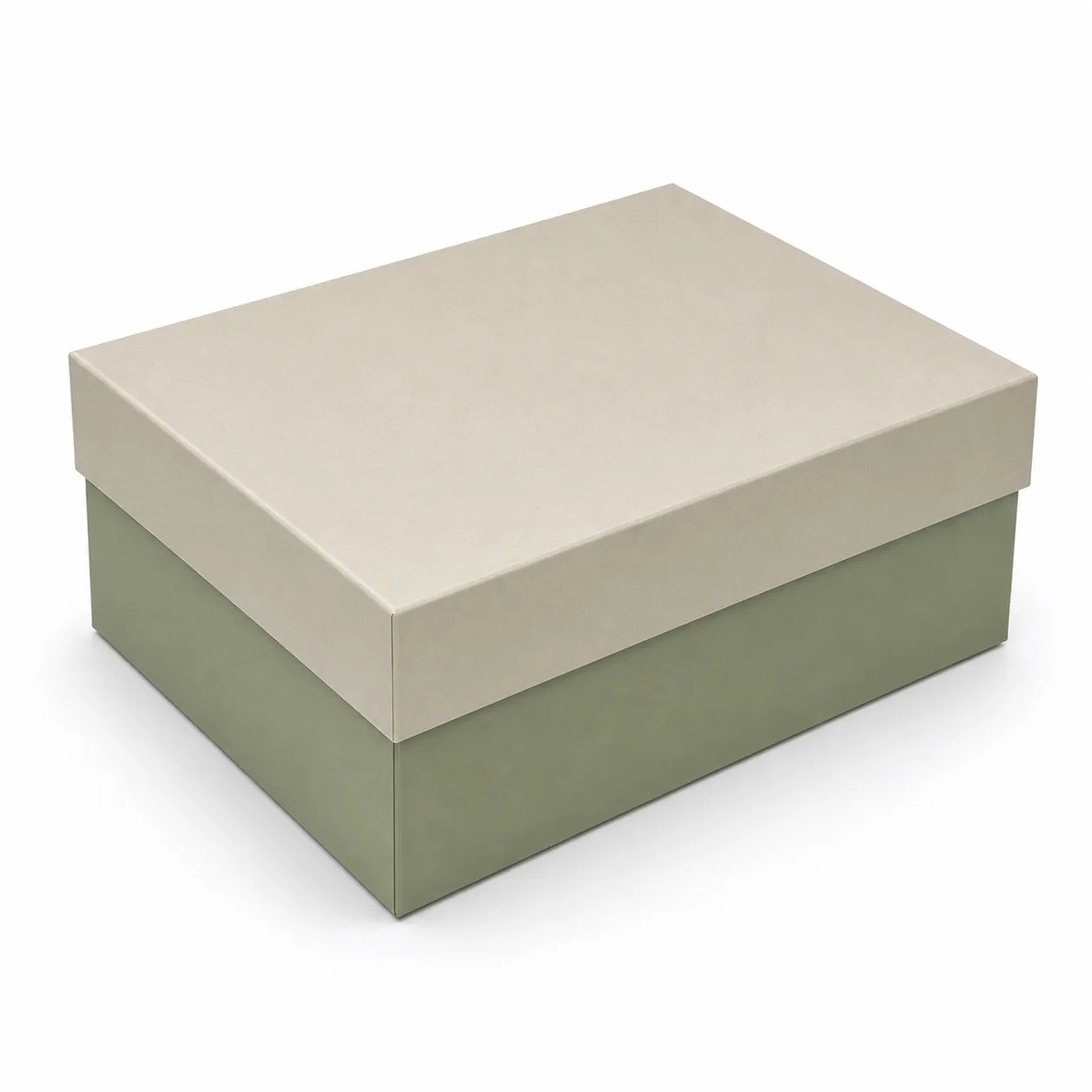
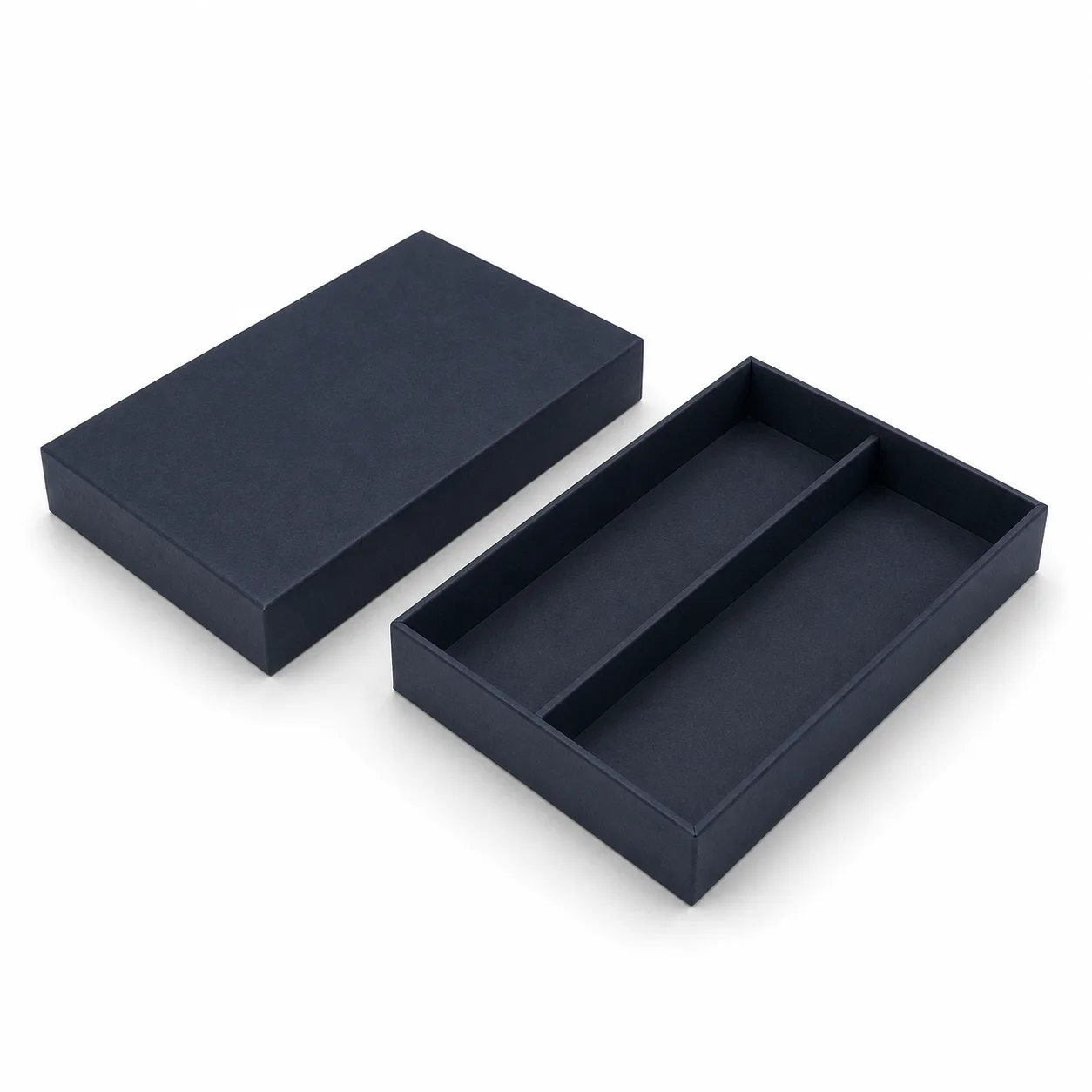
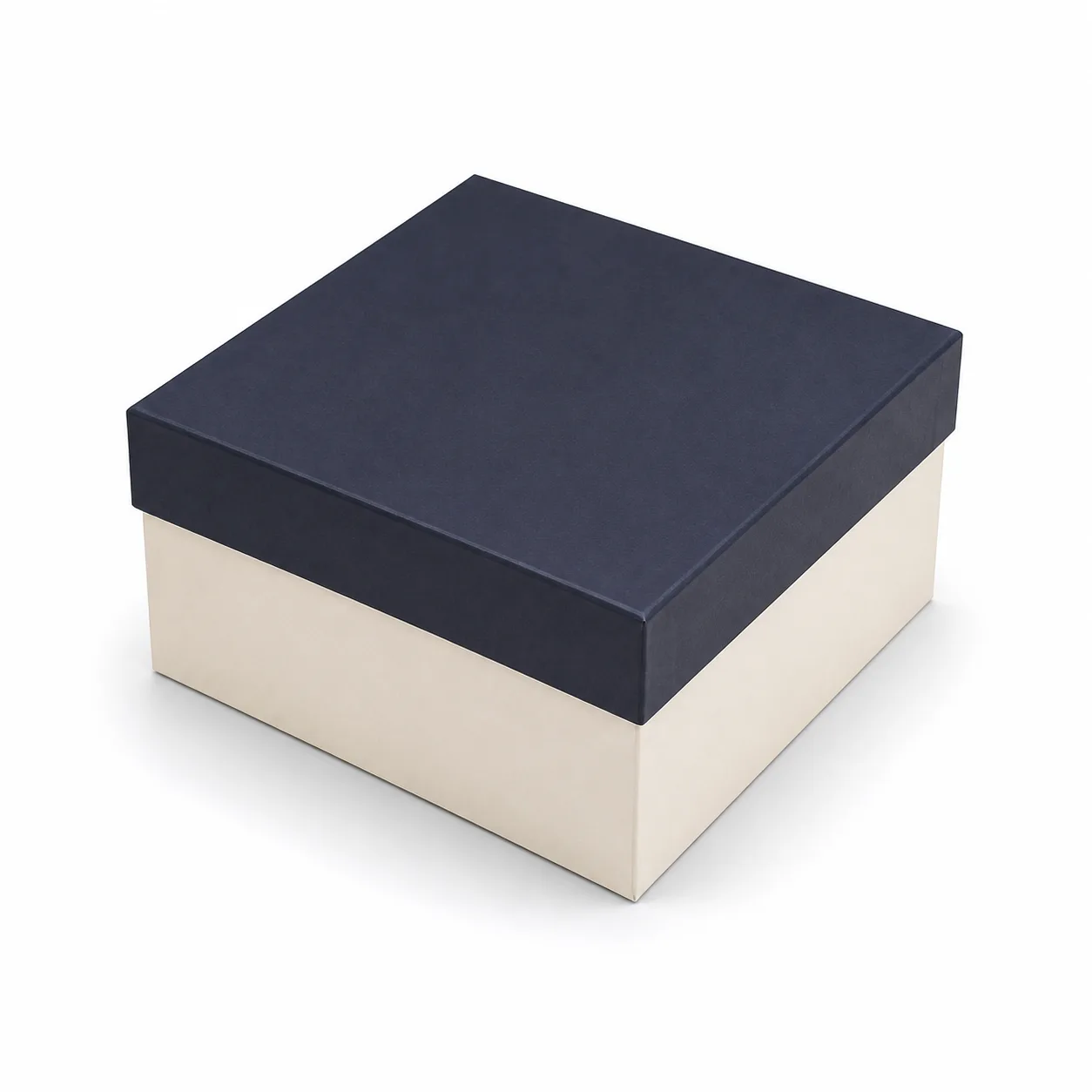
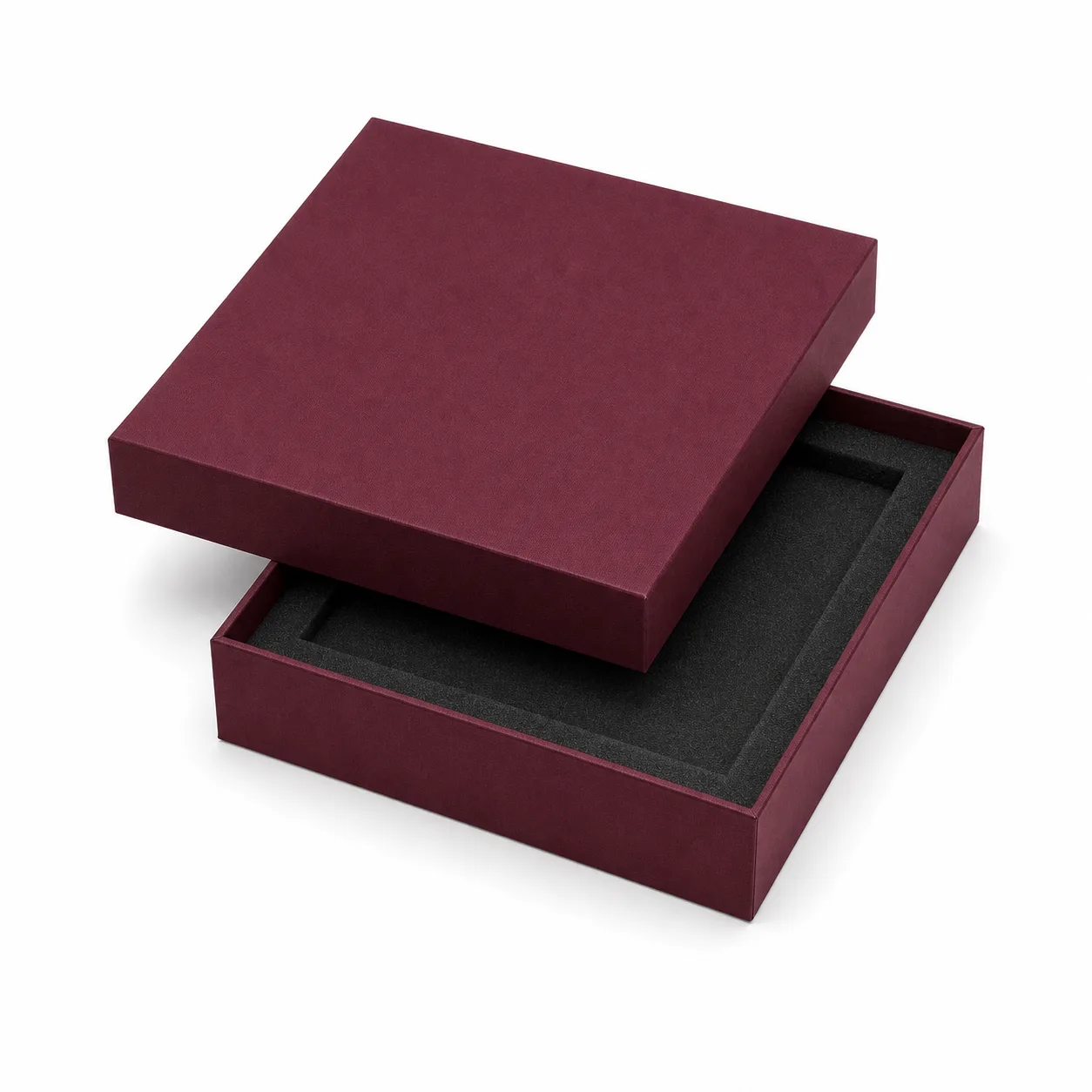
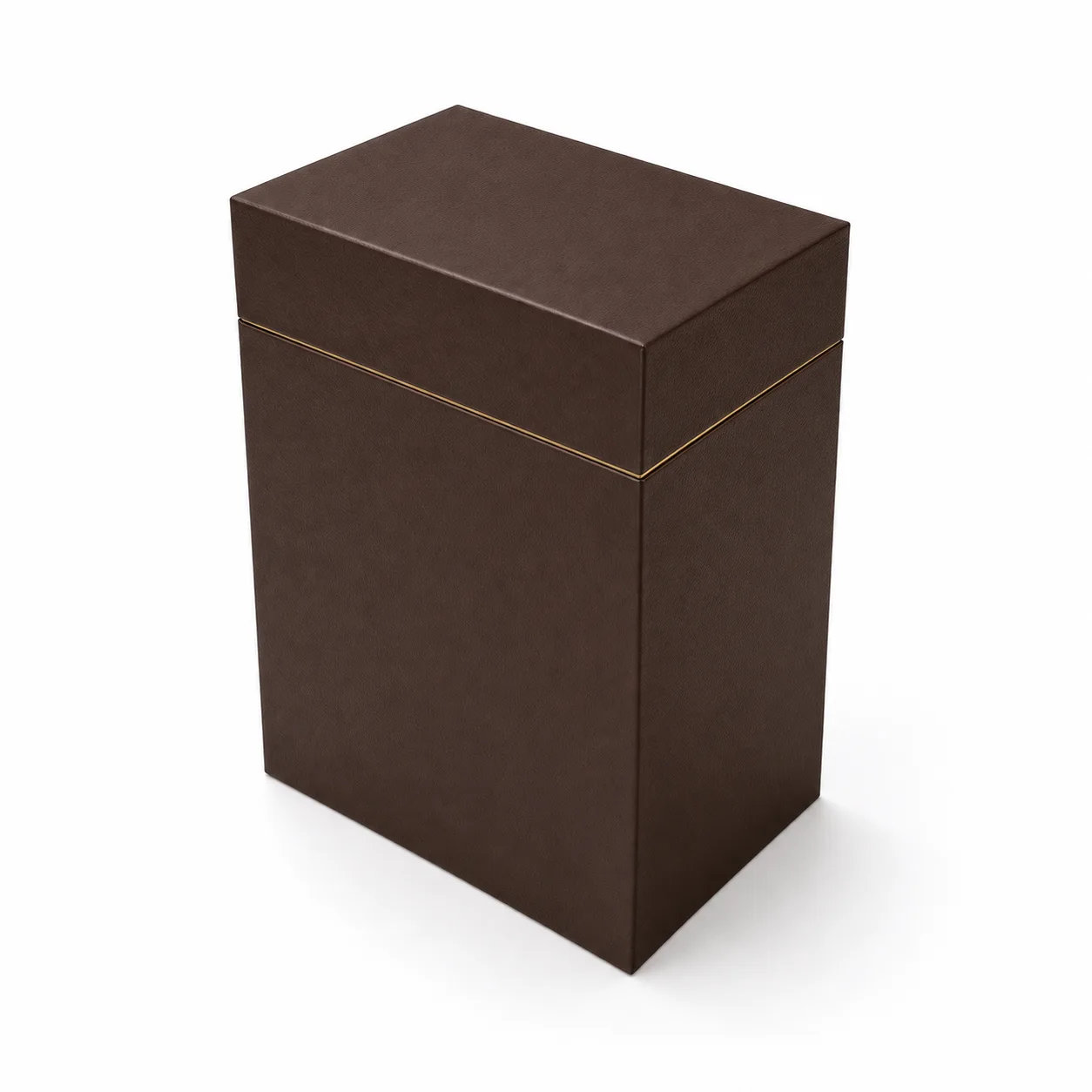
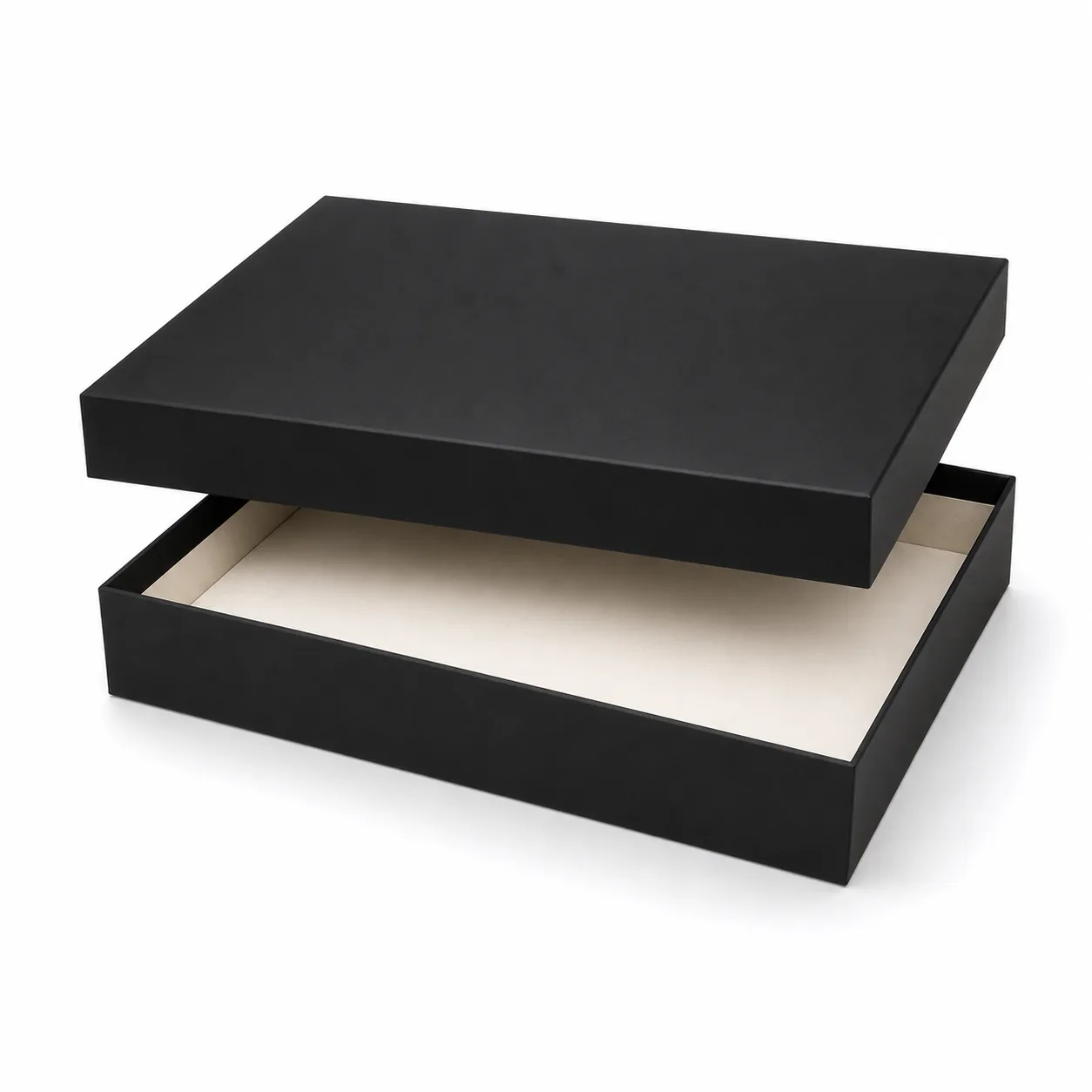
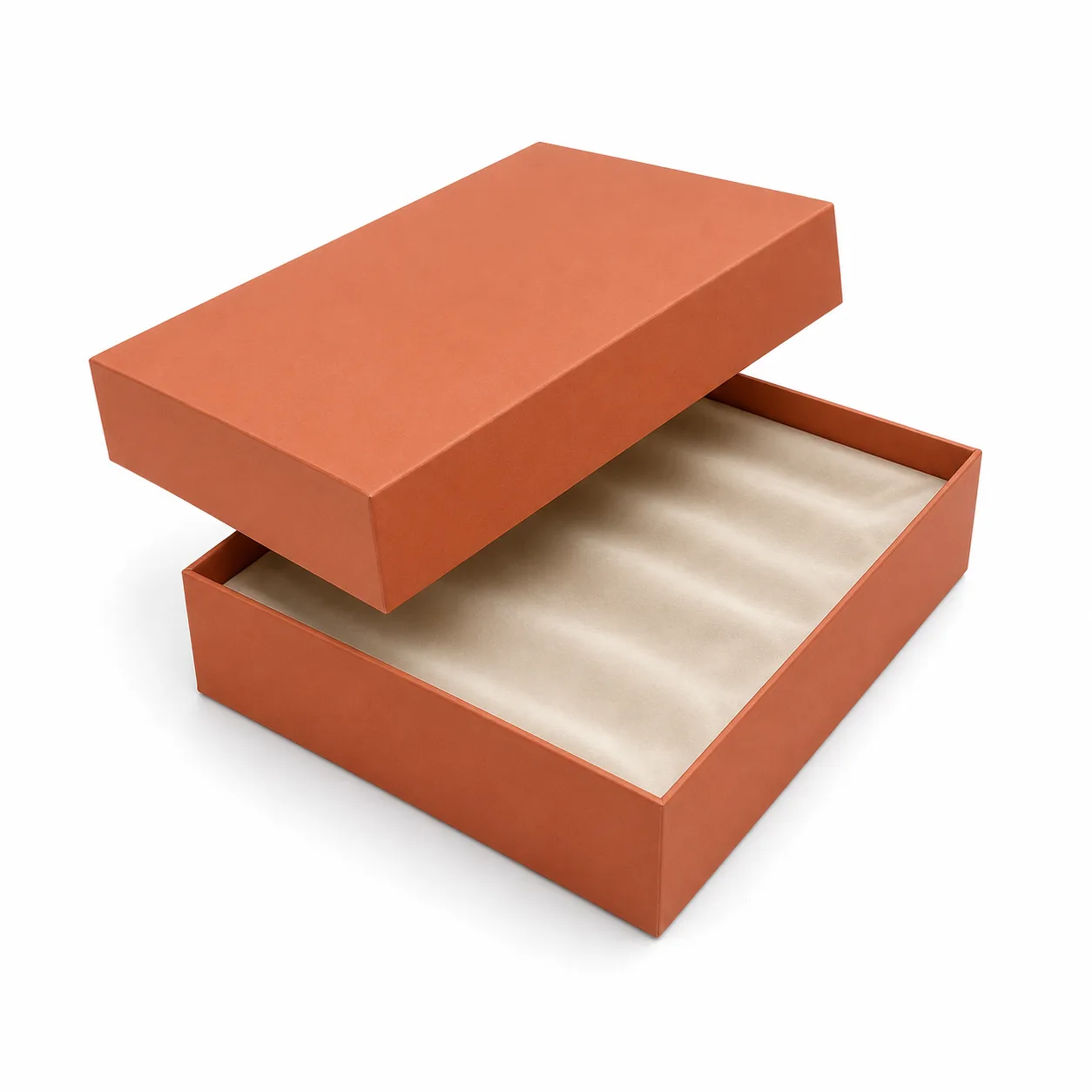
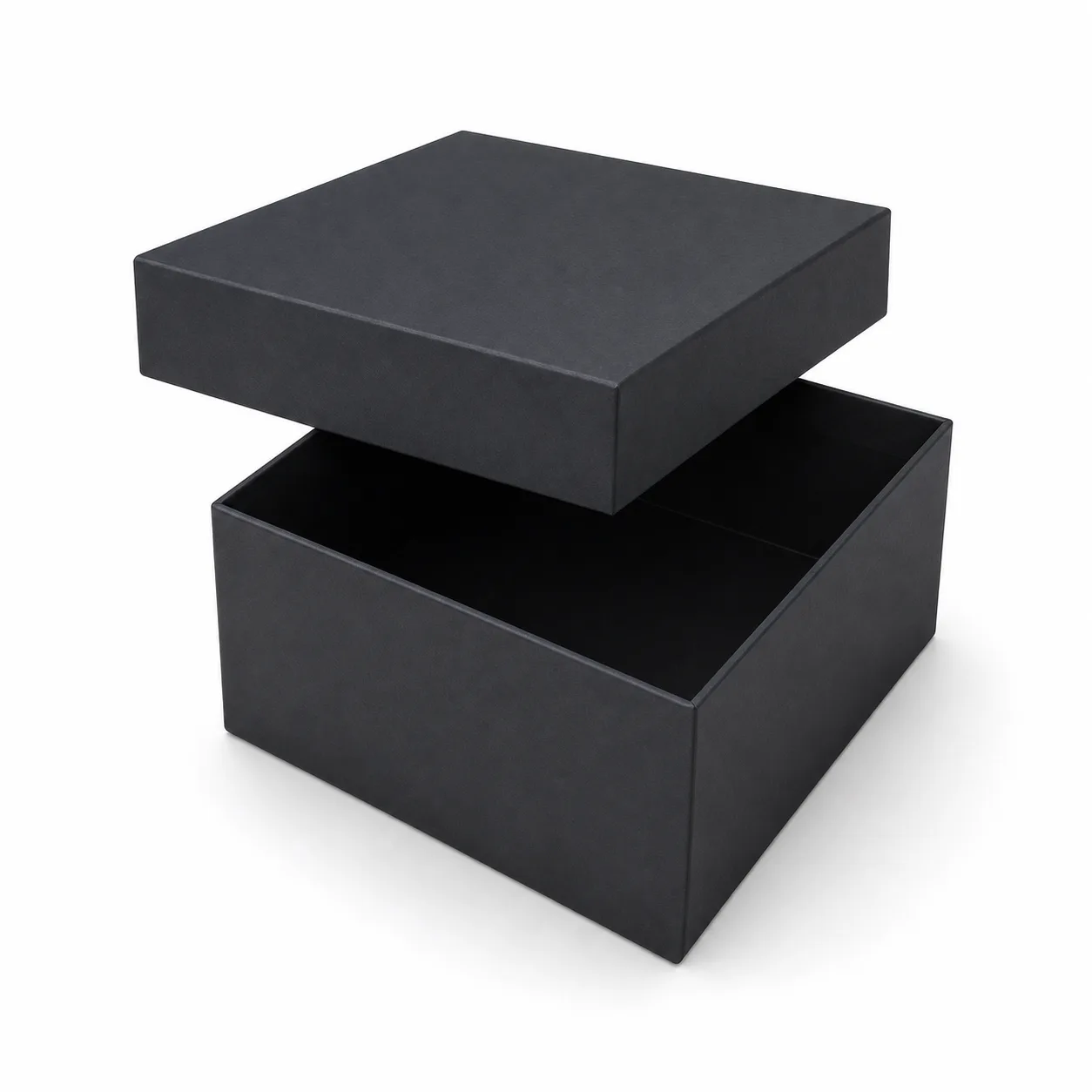
A lid-and-base rigid box — a jua-pang lid box — is built as two separate pieces: a lid and a base, with the lid sliding down over the base. It is the oldest and most widely used construction in the rigid box family, because it is straightforward to make, easy to cost-control, and has no failure-prone parts like a hinge or magnets.
Several names get used interchangeably. What actually differs is how far the lid comes down:
- Full telescoping lid — the lid covers almost the entire base, leaving only a sliver showing, or nothing at all. The cleanest, most fully closed look.
- Meet-in-the-middle — lid and base are roughly equal height and meet at the centre, with a visible seam. Good when you want to show a two-colour split.
- Shallow lid — a lid only 2–3 cm deep covering the top. Used on larger boxes where contents need to come out easily.
We produce all three; the difference is just the lid height specified in the design, with little cost impact.
The tolerance that makes a lid fit properly
The most common failure on lid-and-base work is not aesthetic — it is a lid that is too loose or too tight. A loose lid falls off when lifted; a tight one is hard to pull and the paper at the edge frays after a few open-close cycles.
The right allowance depends on the thickness of the wrapping stock and how many layers fold over the edge, which is exactly why we produce a real mock-up to open and close before any run. Numbers in a design file cannot tell you how it feels in the hand.
Inserts that suit this construction
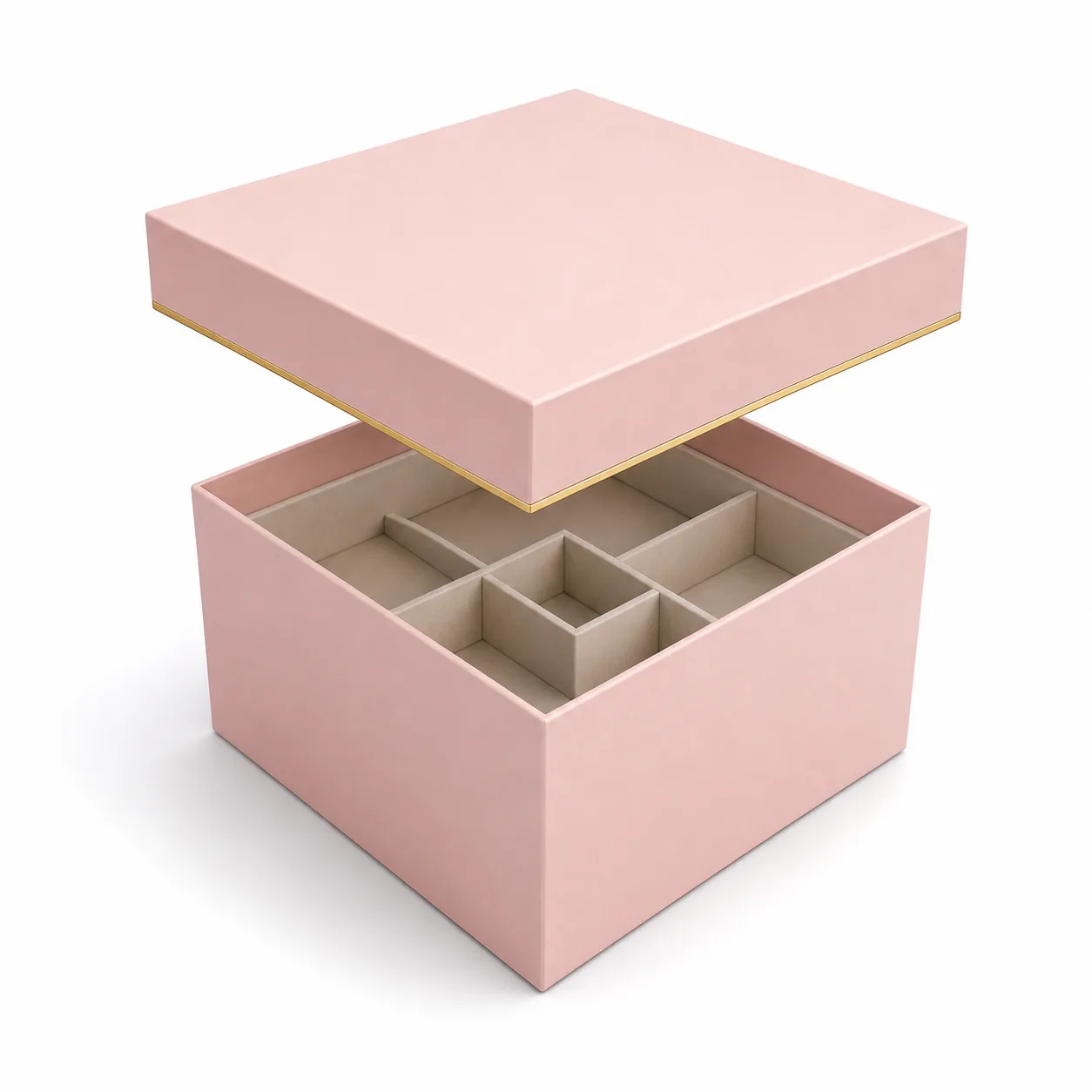
The advantage of a lid-and-base is that lifting the lid reveals everything at once from above, so it suits work where the arrangement is the point.
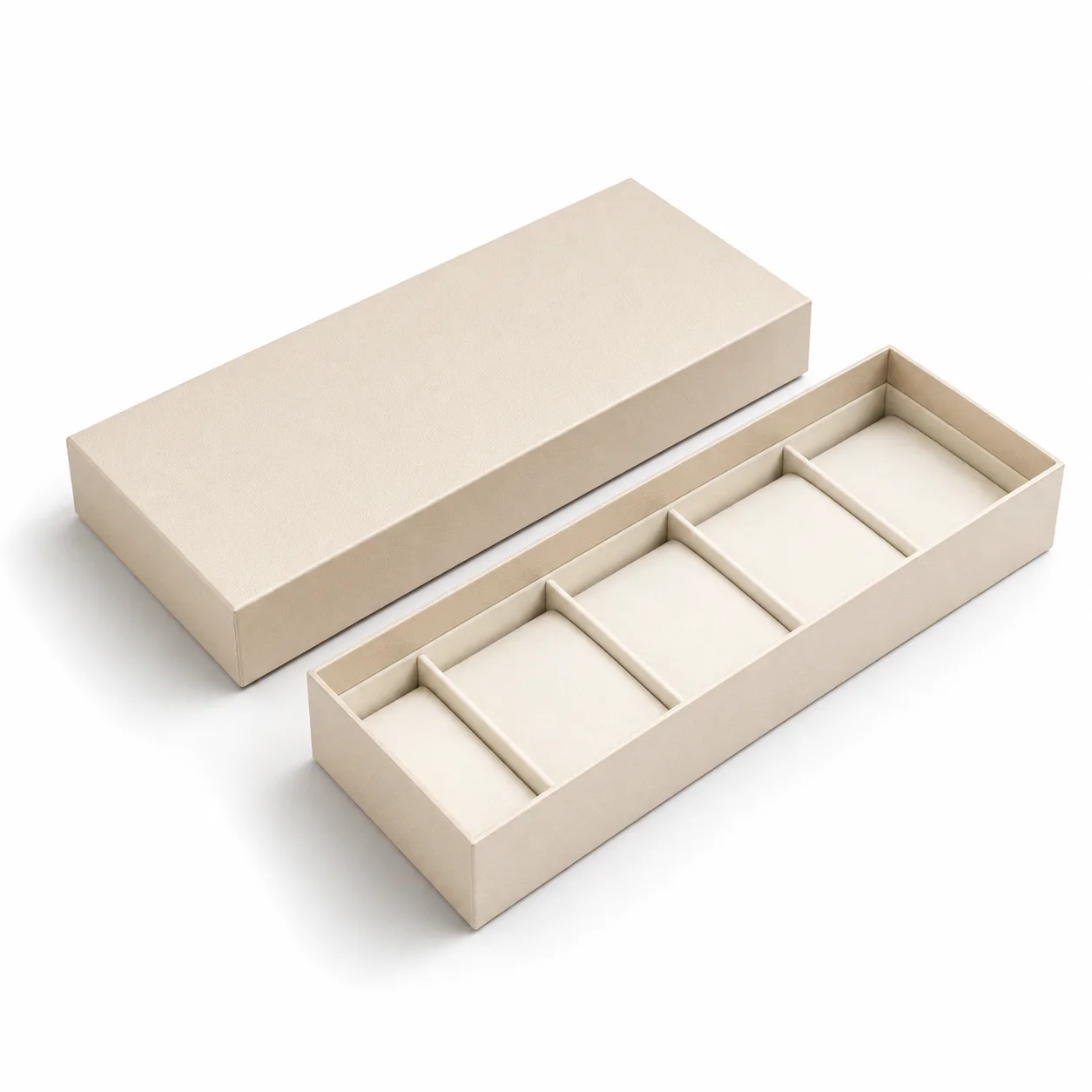
- Compartment trays — for multi-piece sets: several pieces of jewelry, or confectionery in a row.
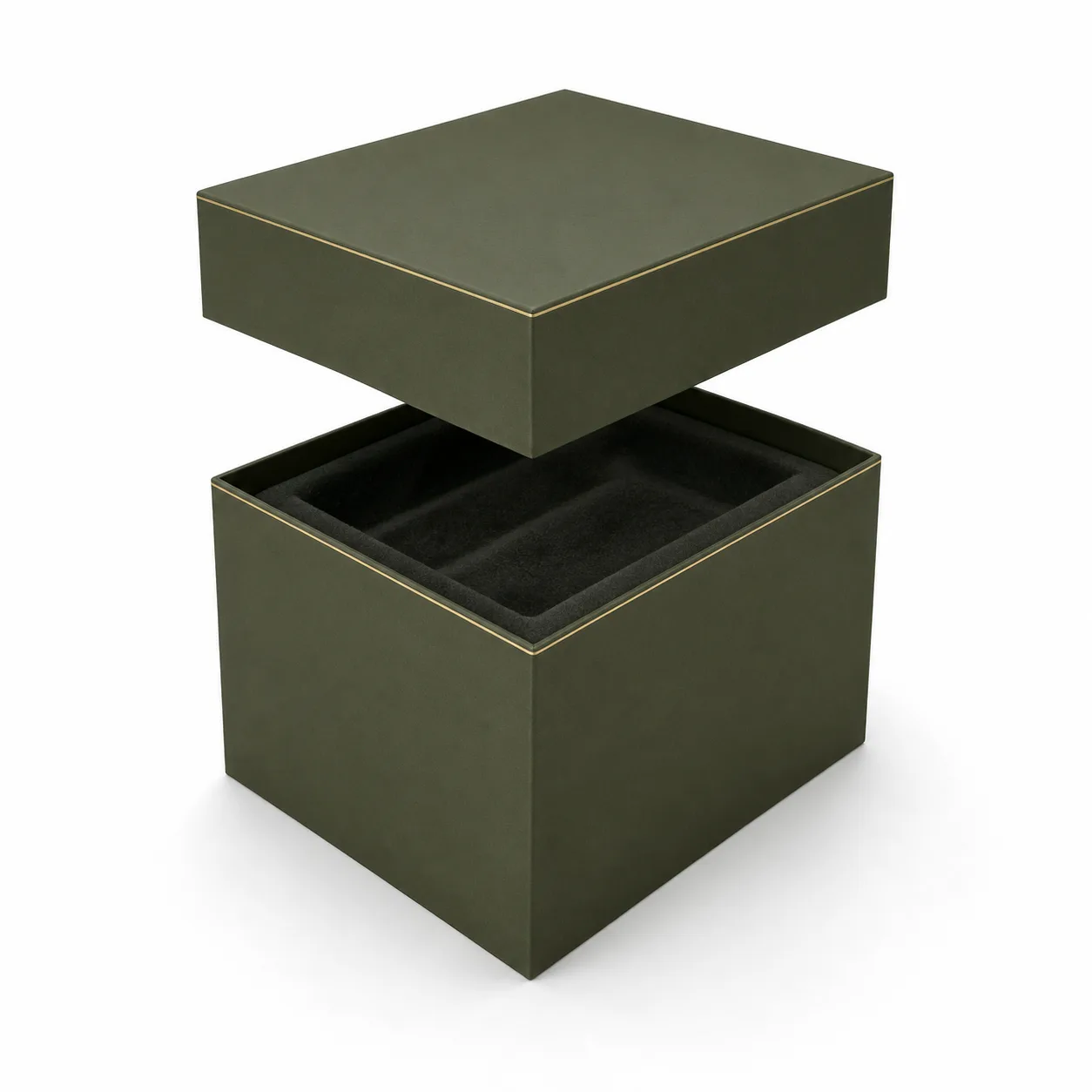
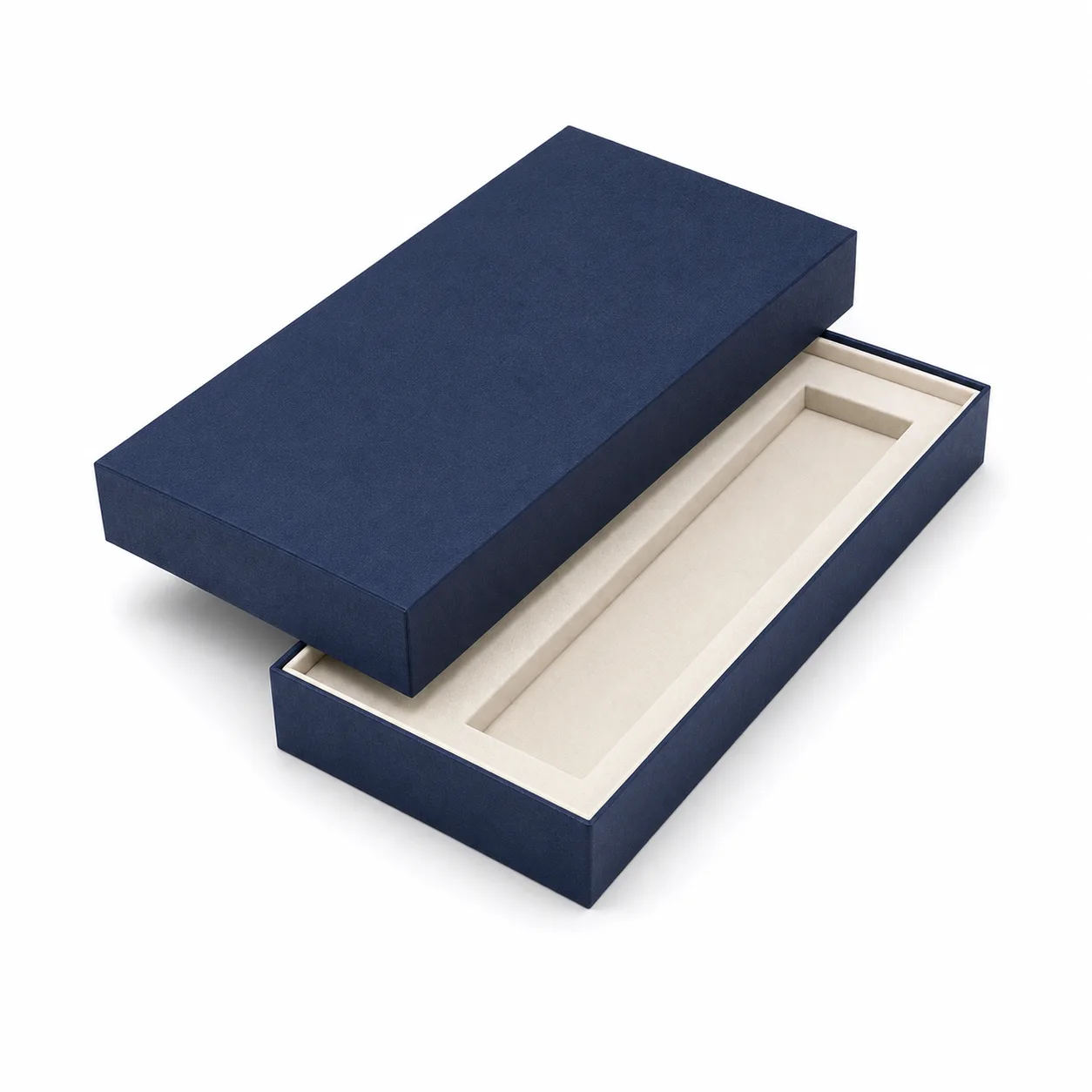
- EVA foam die-cut to the product — for a single item that must be locked down, or anything fragile.
- Velvet lining — lifts the feel on opening; suits jewelry and watches.
Full detail on the box inserts page.
Lid-and-base or magnetic?
The question we field most in this category. It comes down to three things:
- Cost per box — lid-and-base is cheaper than a magnetic box, with no magnet or hinge cost. At volume that gap multiplies into real money.
- Will it be filmed? — if yes, a magnetic lid opens one-handed and holds at an angle that keeps contents in frame. A lid-and-base needs two hands and somewhere to put the lid.
- Will customers keep the box? — lid-and-base has no parts that can break, so it lasts longer in reuse.
If you are unsure, we will mock up both so you can compare them by hand before deciding.
Finishing on a lid-and-base box
Because the lid is the largest flat panel on the box, it is the best place for a logo. The usual choices are gold, silver, or rose gold foil centred on the lid, or embossing to give the mark depth without adding colour. For the surface itself, pick matte, gloss, or spot UV to match the brand.
For full-surface artwork, see box printing.
Ordering
Send us the product dimensions (W x L x H including any cap or pump head), the quantity, and your target cost per box. We will propose board thickness, lid construction, and the right insert, and produce a real mock-up to approve. Flexible MOQ — small runs start in the dozens and scale to 50,000+ pieces, with 10–15 day production.